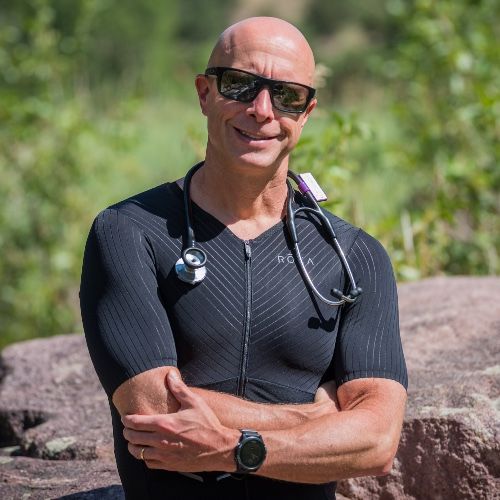

Tempo Talks Matt's gold watch, how to make the most of downtime and December race previews
This episode encapsulates a significant moment in the triathlon community as we reflect on the profound journey of one of our hosts, who announces his retirement from professional triathlon racing after two decades of remarkable achievements. His candid reflections on his career highlight the importance of personal connections and the invaluable experiences gained through the sport. The conversation delves into poignant memories, including the friendships forged and the life lessons learned along the way. As the hosts navigate the complexities of transition, they underscore the importance of embracing change while remaining committed to the triathlon community. Listeners are invited to contemplate their own journeys within the sport, sparking a broader dialogue about the cyclical nature of athletic careers and the continual evolution of identity in the face of change. The episode not only honors a celebrated career but also serves as an invitation for introspection and connection among all those who share a passion for triathlon.
Links to topics discussed:
The TriDoc Podcast
Matt's Instagram
Jeff's Instagram
Email Jeff: tri_doc@icloud.com
Email Matt: Matt@thetemponews.com
Signup for the Tempo News
Signup for The TriDoc Podcast Supplement form
Transcript
What would happen if you brought together a professional triathlete and producer of one of the most widely read triathlon newsletters?
Speaker B:Together with the tridoc medical contributor for Triathlete magazine, age group winner and coach at LifeSport coaching, I'd say you had.
Speaker A:The makings of a pretty good podcast.
Speaker B:Welcome to Tempo Talks.
Speaker B:Two perspectives, one sport.
Speaker B:All things triathlon.
Speaker A:Hello.
Speaker A:Hello everybody.
Speaker A:It's great to have you back listening to another episode of Tempo Talks.
Speaker A:I am the co host Jeff Sank off the trid coming to you from Denver, Colorado and I am joined by my long lost partner in crime, my co host, the writer of the Tempo News, Matt Sharp.
Speaker A:Welcome back to the program.
Speaker B:Thank you, Jeff.
Speaker B:And I have to say massive shout out to you and Brian Dunn for holding down the fort when I was gone.
Speaker B:I think I've tendered my resignation after listening to you guys.
Speaker B:It was like, I don't know, it was just instant chemistry.
Speaker B:I was like, oh my gosh, I wish I was there because it was a good conversation.
Speaker B:If people didn't listen to it, definitely tune in.
Speaker B:I think the T100 stuff was the big topic of conversation.
Speaker B:You guys really brought it all together and brought some interesting insights.
Speaker B:Brian, if you're listening, the chair is yours.
Speaker A:You could be sure he's listening and he is not going to be so quick to succeed because he while he enjoyed it and I am very thankful that he was available and joined me, we always have good banter.
Speaker A:He definitely enjoys listening to you.
Speaker B:So it actually made me think, oh, maybe it'd be cool to have a roster of folks even just to bring on if I'm here because I just love having diverse perspectives.
Speaker B:And hey, if you're listening and you want to come on, give us a toot your horn or tell us because I think that's quite interesting and I love hearing from people in different perspectives because I know not everyone agrees with us.
Speaker B:Jeff.
Speaker A:No, that is true.
Speaker A:As we have seen and heard and that's good.
Speaker A:That is the stuff that makes this much more interesting.
Speaker A:I think if everybody, if everybody agreed with us, it would be boring to for sure.
Speaker A:Yeah, we have a, I think interesting lineup.
Speaker A:Despite the fact that the season is winding down, there's still quite a bit to talk about and we are going to begin with, I think, an explanation for why you've been a little bit scattered with Internet access issues and being unavailable last week.
Speaker A:So we're going to get to the bottom of all that in just a second.
Speaker A:We are going to get back to something that we anchored this show on early, but we lost that momentum over the course of a very busy and very exciting race season.
Speaker A:We want to get back to that now as we're moving into this offseason.
Speaker A:We want to really revisit topics related to training.
Speaker A:And so we are going to introduce that, reintroduce that today.
Speaker A:We're going to talk about what makes for a good use of downtime as we're heading into an off season.
Speaker A:And then we are going to just visit the races that are happening this week.
Speaker A:We've got the Ironman 70.3 visits in both Indian Wells, La Quinta and in Bahrain.
Speaker A:And then we've got a race, a full Ironman distance in Western Australia.
Speaker A:But let's begin first, Matt, with your announcement that you want to make.
Speaker A:That kind of explains why you've been a little bit difficult to pin down over the last couple of weeks.
Speaker A:What's been going on in the Kaza Sharp.
Speaker B:Yes.
Speaker B:You have been very patient with me through this whole process.
Speaker B:I think the big news on my personal front is I am actually retiring from, from professional and elite triathlon racing.
Speaker B:So this has been in the works the last couple months.
Speaker B:Really things happen quickly.
Speaker B:I've been trying to navigate that whole change the last little bit.
Speaker B:So again, thank you for your assistance with this big announcement on my end for 20 years or so in the game, the triathlon game, I'm exiting stage lab.
Speaker B:So it's pretty cool in a lot of ways.
Speaker B:Bittersweet may be a little, but mostly happy to be stepping aside when you.
Speaker A:Look back on your career as long as it's been and as successful as it's been, what are you, if you were to list, I don't know, five things that really stand out as highlights that you can look back on very fondly, what would those be?
Speaker B:There's just so many professional and personal highlights.
Speaker B:One of the big things for me is obviously meeting my wife through the sport.
Speaker B:Like that was incredible.
Speaker B:And that segues into just the community of people I've been able to meet through the sport.
Speaker B:Like we've been able to connect and I'm just so grateful to be able to rub shoulders with amazing people like yourself on a day to day whatever basis.
Speaker B:The people who listen to this podcast, the people who read my newsletter, it's so cliche.
Speaker B:The journey, not destination.
Speaker B:And this journey has been just, it's indescribable for me.
Speaker B:The people who have been able to meet and become friends with and make connections with.
Speaker B:And that's on the personal Side, it's just, it's all about the people bracket professionally.
Speaker B:Being able to do this job in air quotes for so long and being able to travel all these incredible places.
Speaker B:Like I never would have gone to Romania if it wasn't for triathlon.
Speaker B:Just stuff like that, obviously.
Speaker B:Career highlights, being an Olympian, competing at the Olympics, achieving my childhood dream.
Speaker B:And if I hadn't have made the Olympic team, it still would have been an incredible career.
Speaker B:I did the thing I set out to do when I started this sport so that I got to the mountaintop, so to speak.
Speaker B:So that was huge.
Speaker B:Competing at the Commonwealth Games just anytime.
Speaker B:Representing Canada at the highest stage was always my North Star in a lot of ways.
Speaker B:Obviously had a bit of a segue into long course racing.
Speaker B:Had a 70.3 win, few podiums.
Speaker B:I'm going to count the podium with the zipper gate.
Speaker A:Absolutely, for sure.
Speaker B:Just a lot of incredible highlights.
Speaker B:And I'll definitely want to get into a bit deeper detail with maybe some of those events and also just learnings from my career over the next little bit.
Speaker B:I'm starting to, I guess, put it together in my head, this kind of anthology of my career, mostly in, in of things that like lessons I can teach people because I think I've been in the game so long and learned a lot of lessons and I have a lot to, to pass on and a lot of funny stories along the way for sure that I'm sure we will get to.
Speaker A:Oh, that's, yeah.
Speaker A:Something I look forward to.
Speaker A:One thing I often think about, Matt, and I think about this now, especially with my daughter who is a really up and coming pole vaulter, and I, we, I've had the great fortune now of speaking to a bunch of Olympians, which I find quite remarkable, and Olympians from all kinds of different sports.
Speaker A:I, I talked to Joanne Courtney, who is an Olympian in curling.
Speaker A:I spoken to cross country skiers.
Speaker A:I've spoken with a few triathletes, of course.
Speaker A:Juliet Hoffman, a rower.
Speaker A:And I, I think when we watch the Olympics so often we are deceived as to the difference between the skill level and what those athletes are doing.
Speaker A:And just a normal person, like, I always joke about how I wish they would just put like a normal person there so we could really see.
Speaker A:And every once in a while there is somebody from one of these countries who's like in the pool swimming and like, you get the sense, oh, okay, that's what a normal person would look like.
Speaker A:But I think something that we don't necessarily appreciate is how hard it is to go from the pool of athletes to make it to the national junior national team, to then make it to the national team, to then make it to the selection of the.
Speaker A:Can you give us a sense of when you were coming through the ranks?
Speaker A:You never took anything for granted.
Speaker A:You never really knew until you were selected.
Speaker A:I was fortunate enough to know you at that point and to see how Lance was your coach was also very excitedly watching as the selection was coming through.
Speaker A:And just when you were selected, just like when Kirsten was selected, it was just so remarkable.
Speaker A:And how hard is it when you set out on this journey?
Speaker A:I'm going to make the Olympics.
Speaker A:I want to be in the Olympics.
Speaker A:Like how?
Speaker A:Obviously you have to have the skill set, but even if you have the skill set, how hard?
Speaker A:Give us a sense of just the mountain you are climbing.
Speaker B:There's levels to it.
Speaker B:Right.
Speaker B:Like a sport like triathlon.
Speaker B:If you're trying to make the Olympic triathlon team, it might be a little easier than making the Olympic swimming team, especially with countries and whatnot too.
Speaker B:Like Canada, we actually have a pretty rich history in triathlon.
Speaker B:So there is.
Speaker B:There has been always very competitive pool of athletes to draw from.
Speaker B:I guess at the end of the day, just showing up has been a big trait of mine.
Speaker B:And really clearly I had talent and an aptitude for this sport.
Speaker B:Growing up, I also had the benefit of being in the kind of orbit like where I grew up on Vancouver island, about three hours south, was the guy who won the first Olympic gold medal in the sport.
Speaker B:Let's say that didn't happen.
Speaker B:I don't know, maybe I'm not really pursuing triathlon as much or less likely to pursue it, but there was this almost like gravitational pull of the sport where if you were doing swimming or maybe running as a kid, like all of a sudden this other sport became an option.
Speaker B:Like it was on the table of a sudden.
Speaker B:And you know what?
Speaker B:We were good at it.
Speaker B:It was.
Speaker B:There was a bit of an environmental factor.
Speaker B:It wasn't just like I was in a vacuum and decided to be good at triathlon and pursue this.
Speaker B:There was always a bit of an influence in my life that way.
Speaker B:And I had access, because of my proximity, I had access to the National Training center of Canada since I was 13, 14 years old or whatever.
Speaker B:So it was always there.
Speaker B:And I was in that environment from such a young age that it just.
Speaker B:It just became who I was.
Speaker B:Yes, obviously very difficult, but there were factors at play that also helped me other than just working hard.
Speaker B:All that kind of stuff.
Speaker B:And like, obviously I had an aptitude, like, as a junior.
Speaker B:I ended up finishing, I think, ninth at World Juniors my last year.
Speaker B:And at that time that was, I think, one of, if not the best results for Canada at a World Junior Championship.
Speaker B:So it was just like, okay.
Speaker B:I also was like doing these kind of check marks on the rungs of the ladder.
Speaker B:So I had evidence that I could be good.
Speaker B:It wasn't just I was showing up, it was like, no, I was getting good results.
Speaker B:But then obviously through that kind of transition from junior to elite racing, and I'll probably expound on this a little more later on when it's a little more form, I had a lot of struggles going from junior to the elite ranks.
Speaker B:My whole U23 career was fraught with injuries and setbacks and a lot of difficulties that obviously, if I wasn't as determined, I didn't have that maybe same work ethic or whatever, I wouldn't have been able to get through that.
Speaker B:So it is hard.
Speaker B:It's hard.
Speaker B:Even if you're from a.
Speaker B:You're in a sport that maybe isn't as hard to do or the pool of athletes isn't as big, it's still hard because there's always going to be unique challenges that you have to overcome and learn from.
Speaker B:Ultimately, if you don't learn, then you're never going to achieve your big goals.
Speaker B:Yeah.
Speaker A:As you look back, is there any regrets you have?
Speaker A:Is there anything you feel like you wish you could have done differently or that you wish you had done that you didn't?
Speaker A:You've had a very, you're a very, you're a very positive person.
Speaker A:And I know you probably don't really retain any kind of negative in your mind, just knowing you the way I do, but I just wonder if there's anything you look back and think, yeah, if I could go back, I'd do.
Speaker B:X or Y. Jeff, at the end of the day, like I talked about, I got into the sport because I wanted to represent Canada at the Olympics and achieve that goal.
Speaker B:And once I did that, everything became cherry on top of the cake in some ways.
Speaker B:So definitely no, not too many regrets.
Speaker B:I guess like a regret or I wish I didn't happen was I wish I wasn't as injured through my.
Speaker B:My kind of U23 years, because I think fitness compounds a little bit, I think experience compounds.
Speaker B:And so if I'd maybe been able to stay healthier, would have had more experiences at a high level and just had better results, all that Kind of stuff.
Speaker B:But like at the end of the day I achieved my goal.
Speaker B:Probably the one thing maybe I'll look back and be like, I wish I had made a run for Kona, but it wasn't the reason why I got into the sport.
Speaker B:And I know Kona is like kind of the.
Speaker B:Usually the main reason people get into the sport in some way, shape or form.
Speaker B:I guess maybe I'll look back and like I wish I had a run at Kona when I was a pro, but I just, I also love short course racing and racing in that style and truly racing where maybe Ironman seems like more of managing in some ways.
Speaker B:Although after seeing the races the last little bit, it's definitely right.
Speaker A:Yeah, well you could still do it as an age grouper.
Speaker B:So for sure I don't plan on actually stopping, I guess racing triathlons, but it's just going to look a lot different.
Speaker B:I'm not, I'm definitely not going to be one of those pros who tries and wins age group world.
Speaker B:That's not going to happen.
Speaker B:But I love the sport.
Speaker B:It's part of who I am.
Speaker B:It's always going to be that way.
Speaker B:And definitely I'm not taking it a step away from the sport per se, but as a pro, 100%.
Speaker A:And what does the future hold?
Speaker A:Tell us where I you've relocated so we could say where you are and what you're going to be doing now.
Speaker A:For the immediate future though, I'll rewind.
Speaker B:To how this whole change happened.
Speaker B:I guess like I raced at 70.3 in Boise and it's funny when even when I was there I was like.
Speaker B:And obviously as an athlete at kind of I'm 34 or whatever, you're always looking at what's next.
Speaker B:And I had some ideas but obviously nothing concrete.
Speaker B:I was doing this newsletter thing like at the tempo and I'm still going to do that.
Speaker B:It's going to look different maybe a little bit.
Speaker B:But that, that was maybe going to be part of it as well.
Speaker B:But it's funny at this Boise race like my mom was there with me and like she never goes to any of my races really.
Speaker B:But it was just seemed almost poetic in a way because she was obviously there from the beginning.
Speaker B:My very first race and even when I was had just finished, I was like, man, maybe that's it.
Speaker B:But like I hadn't actually decided that.
Speaker B:It just.
Speaker B:There's like a feeling that came over me which is crazy.
Speaker B:And maybe that was just because she was there, who knows?
Speaker B:But after that, I had this flare up of my broken toe from February and I'd already had some injuries and stuff through late last year that carried into this year.
Speaker B:So this year was definitely tough for me, dealing with those injuries and missing out on races, just losing a bit of momentum.
Speaker B:And around that time, where had this toe thing flared up?
Speaker B:I didn't know what races would be on the horizon, if any.
Speaker B:I had a family friend reach out who he was basically like, hey, Matt, I've got this opportunity.
Speaker B:If you're ever thinking about jumping into the working world or whatever it was, they didn't go like paraphrasing, basically, as I was dealing with his injury flare up, this kind of like, just not good vibes.
Speaker B:I don't know, it just.
Speaker B:Things were not going that great in some ways and this kind of opportunity showed up and I was just like, man, they say opportunity knocks, but it felt like opportunity was punching me in the face with this.
Speaker B:That's literally how I thought.
Speaker B:I was like, huh, I need to explore this further.
Speaker B:And basically this guy, he works for a financial technology company.
Speaker B:It's a platform for investment advisors to have a bunch of their softwares, billing and reporting and trading all in one place.
Speaker B:It's a simplification, but that's what it is.
Speaker B:And I've always been interested in like economics and whatnot.
Speaker B:Studied that a bit in university.
Speaker B:So I was just like, man, I'm going to go through this process and see where we end up.
Speaker B:And then all of a sudden, like, things were happening, I was getting these interviews, then all of a sudden I had this DocuSign land in my email inbox and I was like, oh my God, that was it.
Speaker B:Like it was either this or I didn't even know what was.
Speaker B:What else was another option.
Speaker B:It just happened quickly and I was just like, yep, I'm going to jump on this because it was a very good opportunity.
Speaker B:It is a very good opportunity.
Speaker B:I've been doing the job now for almost a couple months now, like six weeks or so.
Speaker B:And the more I get into it, the more I'm like, oh yeah, this is a good idea.
Speaker B:Anyways, it's.
Speaker B:The company's called Amplify.
Speaker B:It's based out of Scottsdale, Arizona.
Speaker B:I moved this past weekend from Boulder to Scottsdale.
Speaker B:So we are no longer in the same state.
Speaker A:Sorry, Jeff, you're in the same state as Brian, so he's gonna, he's.
Speaker A:He's a neighbor of yours now.
Speaker B:Perfect.
Speaker B:We'll get him, you know, maybe do a little podcast From.
Speaker B:From the house here or his house gets nicer.
Speaker A:Hey, Brian.
Speaker A:It'S.
Speaker A:I know that I wish you the best and the best success I know on behalf of all the listeners, we're all very happy for you.
Speaker A:We're the congratulations for just a fantastic career and we're just super happy for you.
Speaker A:And we are also very happy to know that Tempo News will continue and of course, Tempo talks will continue for the foreseeable future as well, because that is something I'm sure people are wondering about.
Speaker B:So no doubt.
Speaker B:I feel like it's almost a bit of an inflection point for both in a way, because I feel like now have more not time resources, just financial resources to reinvest in the podcast, reinvest in the newsletter.
Speaker B:So I'm super excited about the future of both and I definitely want to keep it going and continue to grow, refine and all that good stuff.
Speaker B:And I'm on the search for a bit of talent.
Speaker B:We already have our podcast talent.
Speaker B:Clearly our listeners are great, so look for that.
Speaker B:But definitely writing and whatnot for the newsletter.
Speaker B:I'm on the hunt, so me.
Speaker B:Hey, if you're listening and you might be interested, let me know.
Speaker A:All right, we will move from that topic onto the next one, which is how to make the best use of your downtime during this beginning of an off season.
Speaker A:For some people, it's probably a little bit more than just the beginning.
Speaker A:They're probably well into their off season.
Speaker A:You proposed this topic, Matt.
Speaker A:What did you have in mind when you proposed it?
Speaker A:What were you thinking?
Speaker B:I was thinking, like, huh, I need a training topic.
Speaker B:I was thinking, okay, what time of the year is it?
Speaker B:We got downtime.
Speaker B:People are taking downtime for a lot of people who listen.
Speaker B:Some people are in the southern hemisphere and they're getting right into their season, which is awesome.
Speaker B:I wanted to go with the seasonality.
Speaker B:And people are taking their downtime.
Speaker B:They're thinking about it.
Speaker B:And I was curious.
Speaker B:I was like, what actually does make a good downtime?
Speaker B:What does a good downtime mean?
Speaker B:Jeff, what do you think off top of your head?
Speaker B:What does a good downtime look like to you or sound like?
Speaker A:I think to me, the.
Speaker A:One of the most important parts of this time of year, when your training volume is lower, your training intensity is lower.
Speaker A:There are two really important things that I said, the most important thing, and now I automatically transition to the two.
Speaker A:The two things that I think that you can really use your downtime for is to reconnect with family and friends who you may have disconnected from.
Speaker A:Because you, you were so focused on your training and your racing and.
Speaker A:And we all do it.
Speaker A:We have friends and not so much family, but friends who are outside of the triathlon sphere, and we disconnect from them.
Speaker A:And this is a great time of year to reintroduce yourself, get those connections back.
Speaker A:Because triathlon is something that brings us a lot of joy.
Speaker A:It brings us a lot of great positives.
Speaker A:But I think one of the negatives is it can be very isolating in that way.
Speaker A:And I think it's so important to maintain those connections in our social lives.
Speaker A:So I think that's a very important and valuable thing to use our downtime for.
Speaker A:Another one is to heal.
Speaker A:I think that too often athletes worry about, oh, I don't want to lose my fitness.
Speaker A:I don't want to get behind the eight ball.
Speaker A:And they forget how important it is to restore, to rejuvenate, to really recover from a very difficult season that's just passed.
Speaker A:It doesn't mean you stop training.
Speaker A:It doesn't mean you stop.
Speaker A:Stop doing swim, bike, run, or that you stop doing something every day even, but you're doing it at a much lower intensity, much lower volume.
Speaker A:And it might mean you're even cutting out one of the sports.
Speaker A:If you have a running injury, this is the time to not run and make sure that you heal up so that you're ready to go.
Speaker A:What about you?
Speaker A:What were your thoughts on this?
Speaker B:Yeah, I think about through my athletic career.
Speaker B:It's funny because the season has changed over time.
Speaker B:Like when I first started racing elite, it was like March to September.
Speaker B:Like, by the time September came around, it was like the world champs for whatever, like short course, which is what I was typically doing.
Speaker B:And I'd always, like, after doing those races I got at school or something to get into.
Speaker B:But I would always take two weeks off.
Speaker B:Didn't matter what happened, whatever.
Speaker B:I'm taking two weeks off as like a physical and mental reset.
Speaker B:But it was like.
Speaker B:It was always just so funny how after like maybe a week, maybe eight days, I would always just get this itch to want to go train again and get back.
Speaker B:And it was honestly just like being back in routine because I would typically go from a very regimented life of training and fueling all that kind of stuff to basically, like, what normal people would do throughout the year.
Speaker B:I would binge all in this two weeks.
Speaker B:So, you know, my friends who were not in involving triathlon, they loved my two weeks off because all of a sudden I was Going out with them, we were on the beers, all that good stuff.
Speaker B:It was like a crazy reset in a way.
Speaker B:And by the time the two weeks roll around I was like, please get me back into training.
Speaker B:Like my body hates me in a new way.
Speaker B:I'm curious to hear what other people think about this, but I do think it's definitely like a mental and physical reset.
Speaker B:Like both are super important.
Speaker B:I would binge.
Speaker B:I remember it's funny because now we're watching like Stranger Things, the final season.
Speaker B:Stranger Things.
Speaker B:I remember one of my down times a while back, like when it was the first season I literally started watching it at whatever 9pm or something.
Speaker B:I was like I'll check this out.
Speaker B:Just went the whole season.
Speaker B:4Am and I was like, yep, okay.
Speaker B:It's great show.
Speaker B:The first season was amazing.
Speaker B:But also like that was just like I could do this.
Speaker B:So you know I can't do this most of the year so I can do this now.
Speaker B:Yeah.
Speaker A:Yeah.
Speaker A:I also, that kind of stuff is healthy and good and it's healthy in a weird way.
Speaker B:Yeah.
Speaker A:Like I, I don't drink alcohol almost at all during this season.
Speaker A:I do like wine, I do like scotch, I do like beer.
Speaker A:And so from the time that I finish like after MARBELLA Basically until January 1st, I will now be drinking not every night, not a huge amount but I do drink in moderation with my wife while share some wine and I like to have a scotch and.
Speaker A:But I don't, it's not something I, I don't binge or anything like that.
Speaker A:But I definitely do enjoy it for these couple of months before I go back to training.
Speaker A:Another thing that I think is really helpful and useful for age group athletes.
Speaker A:Not obviously for pros this isn't something but I think for age group athletes this is a great time of year to do a introspective look back at your season and be very self critical and just think what did I do well?
Speaker A:What do I need to do to improve?
Speaker A:What should my goals be for next year?
Speaker A:I have, several of my athletes are really good.
Speaker A:I had a great conversation with one of my athletes yesterday.
Speaker A:He actually fed all of his data into Chat GPT everything and he asked ChatGPT what did I do well and what do I need to do better?
Speaker A:And it actually gave him some really.
Speaker A:I don't think any of it was earth shattering.
Speaker A:I think I probably could have told him exactly what chatgpt it's never profound.
Speaker B:But it's pretty good.
Speaker A:Yeah.
Speaker A:Yeah, it wasn't profound but it was pretty bang on.
Speaker A:Basically what I would have told him too is just here's where you were consistent, here are the things that you didn't do well.
Speaker A:And interestingly it gave him some really good insights as to hey, when you didn't hit your swim last week, you tended to be off the whole week and it made him realize that he needs to be better focused on hitting his swim because when he hits his swim and what I mean by hitting his swim, I would just mean getting the whole swim done as opposed to cutting it short.
Speaker A:If he gets his swim done, it means he's focused on getting his workouts done and he tend it tends to all follow through there.
Speaker A:And so tho those kinds of insights were useful to him and also recognizing how you may have I had another athlete I spoke to yesterday.
Speaker A:We were going over the season and what his goals are for next year and he said to me, and I said to him, I said your power numbers are great, you should be doing better on the bike and you should be able to run faster based on your training.
Speaker A:And he just said to me flat out he's yeah, I probably am going out way too hard on the run and it's paying the price.
Speaker A:And I'm like yeah, we have talked about that.
Speaker A:The discipline necessary to follow your race plan is so important and so it's something we're now going to work on going into next year.
Speaker A:So identifying your issues, I don't want to call them failures but issues that you had that led to you.
Speaker A:Yeah, that's it.
Speaker A:Oh, what is it?
Speaker A:Yeah, areas of opportunity or oif.
Speaker A:What is it?
Speaker A:Opera something for anyways.
Speaker A:Yeah but ofi anyways another opportunities for improvement.
Speaker A:There you go.
Speaker A:That's what it is.
Speaker A:So looking for those and being very honest with yourself.
Speaker A:I think this is a great time of year to do that and taking notes and being talking to your coach about it.
Speaker A:I think it's great.
Speaker B:I've seen maybe on social media a little bit like this concept of a central nervous system reset.
Speaker B:What do you think about this?
Speaker A:I. I can't wait to hear what it is because I.
Speaker A:Social media and like anatomy lessons are always interesting.
Speaker B:I've seen, I've just seen people post about I had to take a central nervous system.
Speaker A:What is that?
Speaker B:What is that?
Speaker A:I. I have no idea.
Speaker B:Sounds legit to me.
Speaker B:I was like oh maybe.
Speaker A:What is it like control, alt, delete for your brain?
Speaker B:Yeah, maybe, maybe.
Speaker B:But like it could be like if people are burning the candle, whatever at both ends, that's the kind of concept I just saw that I was like, ah, this is something that maybe Jeff can debunk.
Speaker A:Look, if you're in a very stressful job and if triathlon is adding stress to you, then sure, lowering those stress levels, doing things like being mindfulness and adding mindfulness, adding meditation, doing yoga, those kinds of things can be very de.
Speaker B:Stressing and taking away intense training as well.
Speaker B:So like maybe you're going back to.
Speaker B:Yeah, just really zone one or whatever kind of stuff and doing intensity.
Speaker B:I know triathletes are typically type A people, right.
Speaker B:They want to chase their goals and they'll work hard and they'll do what it takes.
Speaker B:And I wonder for those kind of athletes, Jeff, do you think like having them still have some kind of quote unquote program, even if it's not like high intensity, like just having them on a schedule that will still be effective?
Speaker A:I think so, yeah.
Speaker A:I think so.
Speaker A:I know for me it is.
Speaker A:Oh no, I know for me I need something because like you said, right, you need.
Speaker A:After your two week break, you were dying.
Speaker A:You needed something, right?
Speaker A:Yeah.
Speaker A:So I came back from Marbella, I took my two weeks and I was very unstructured for a couple of weeks and I felt great.
Speaker A:But after that I was like, I need to get back to doing something because if I don't I'm going to turn into a sloth or something.
Speaker B:Like scheduling a walk or something.
Speaker B:Just stuff like that, right.
Speaker B:Like just having schedule even though it's low intensity.
Speaker B:Maybe that's how some athletes will be able to manage their downtime better.
Speaker B:I've just seen people like that just go crazy and do crazy things.
Speaker B:Like they wouldn't during the season, but still like physically taxing, just maybe having an outlet but making sure they don't go overboard.
Speaker A:I think it's also important because we know how easy it is to skip a workout.
Speaker A:You're busy, you're tired, you're whatever.
Speaker A:And so it's ah, skip a workout.
Speaker A:And if you get into those habits now, where, oh, I'll just, it's not as important now.
Speaker A:I'll just skip a workout then.
Speaker A:I know for me personally I don't like to get into that habit now because I'm worried it'll cascade on.
Speaker A:So I like having a schedule so that I have something to stick to.
Speaker A:I have accountability and even though I'm not training a huge amount, I'm still doing my training.
Speaker A:I also know that the consistency across this off season time is really important to me.
Speaker A:Bouncing back and Having a good start to next year.
Speaker A:So, yeah, I think all those, those are really important points.
Speaker B:One, one thing I would think about too, and what I've seen in the past with swimming and cycling, you know, it's pretty easy to jump back into them.
Speaker B:But with running, because your body is like the loading on your body adaptation.
Speaker A:Yeah.
Speaker B:Oh, is it almost worth, let's say you're healthy coming off the season to consider to continue rather running through like your downtime, even if it's cut back a bit, but like still maintain some kind of load on your, your tendons and whatnot.
Speaker B:What do you think about?
Speaker A:I think so.
Speaker A:Yeah, absolutely.
Speaker A:Because running, as you said, it takes the longest to adapt to.
Speaker A:I think you lose that adaptation pretty quickly.
Speaker A:It does come back, but it takes a while to build it back up.
Speaker A:And so if you can keep something going, I think that running two to three times a week, even if it's not long runs, just keeping that going is vitally important.
Speaker A:So, yeah, absolutely.
Speaker A:Just be careful.
Speaker A:If you're running in a place that has snow and ice, you want to be careful about footing, you don't want to risk falls or anything.
Speaker A:But just I think it's super important.
Speaker A:Yep.
Speaker A:Yeah.
Speaker B:Let me tell you, it's going to take me a while to get back into the running, that's for sure.
Speaker B:Falling off the wagon, relax a little bit.
Speaker B:I'm looking forward to being settled so I can get back into some, some kind of routine.
Speaker A:All right, well, speaking about running, let's get to our topic of races because we have a few races to discuss.
Speaker A:But before we do that, if you enjoy hearing us talk about training topics, we would love to hear what you would love to hear us discuss.
Speaker A:So please send us some suggestions in the Talk Tempo Talks Facebook group or you can send us an email.
Speaker A:The ways to connect with us are basically listed in the show notes.
Speaker A:You can find those in there every week.
Speaker A:Or join the Talk Tempo Talks Facebook group if you're not already a member.
Speaker A:There's a couple of really easy questions to answer.
Speaker A:We'll gain you admittance and we'd love to hear from you and of course, just join the conversation.
Speaker A:All right, Matt, we have some races.
Speaker A:Of course you have a vested interest in the Indian Wells race, so let's begin there.
Speaker A:Southern California.
Speaker A:It is the second to last race on the North American circuit to be followed up a week later by Florida, which is just a age group race.
Speaker A:But let's talk about the pro race in Indian Wells.
Speaker A:I know that Kirsten is making her 70.3 debut, that's going to be super exciting.
Speaker A:How's she feeling?
Speaker B:She's feeling good.
Speaker B:She raced in Wollongong.
Speaker B:That was her first race of the year back in September.
Speaker B:Or is it October now?
Speaker B:Then a bit later she did a World cup race, sprint race in Brazil and had a decent result.
Speaker B:She came fourth, which is great.
Speaker B:So it feels like she's trending up in her fitness and obviously she's chopping up a bit to.
Speaker B:To race again, no matter what.
Speaker B:But I think she is very excited for her very first 70.3.
Speaker B:I would say she probably hasn't done a crazy amount of specific work for this race, but she's a great athlete, she's a great racer.
Speaker B:She'll always be ready to rip it up on what she got from the start line.
Speaker B:There's definitely a lot of unknowns, but I'm super excited to see her race and I'm super excited to be there.
Speaker B:I'm going to be there on site.
Speaker B:Like, I'm going to drive from Scottsdale here.
Speaker B:Up to.
Speaker B:We keep saying Indian Wells, but they actually rebranded.
Speaker B:It got moved.
Speaker A:Indian Wells dropped their.
Speaker A:Because it was a joint sponsorship between McInta and they dropped.
Speaker B:So now it's just La Quinta.
Speaker B:So I'm going to La Quinta.
Speaker B:Yeah.
Speaker B:It's going to be a great weekend.
Speaker B:I'm excited to see how she goes goes in her first race.
Speaker B:I won my first 70.3.
Speaker B:So, honey, pressure's on.
Speaker B:Yeah.
Speaker A:Now, Kirsten, the type to go out hard on the swim and is she like, coming from short course?
Speaker A:She obviously has that pedigree where she's going to like, potentially be the fastest swimmer out there.
Speaker A:So is she going to be out front on the swimming?
Speaker B:Oh, yeah.
Speaker B:No.
Speaker B:Kirsten, she is definitely an aggressive racer, I would say, which is a lot of fun to watch.
Speaker B:It can be risk, reward, for sure.
Speaker B:She's gonna go hard and swim.
Speaker B:She might be first or second out of the water.
Speaker B:There's another actually really good swimmer, Jenna Campbell, who will be there.
Speaker B:So they might battle for the swim lead or something.
Speaker B:But then on the bike person, she just loves to race.
Speaker B:So I feel like my biggest fear for her is that she's just gonna go too hard on the bike and race like really aggressively and then stop her on the run.
Speaker B:But, hey, we gotta just put ourselves in there and learn and that's the biggest.
Speaker B:That's the biggest thing for this weekend is we're just gonna be in there, we're gonna learn what it's like to race 70.3, we got a few.
Speaker B:All that good stuff.
Speaker B:I anticipate she has the capability, I think, to be on the podium, but it's your first one.
Speaker B:You just don't know how your body's gonna react, all that stuff.
Speaker A:Is it tough, is it tough for her to, is she gonna have to be consciously thinking about the drafting?
Speaker B:Yes.
Speaker B:And I think that's gonna be really hard for her too.
Speaker B:Right.
Speaker B:Because she's never really, she's done one or two non draft races in her life, both shorter ones.
Speaker B:So this is going to be a bit of a challenge, I feel, I don't know why I think this, but I feel like women are more cognizant, are more not respectful necessarily, but they're just going to be more mindful of the draft zone.
Speaker B:So I don't anticipate too many penalties out there.
Speaker B:Something that's going to, she's going to have to figure out.
Speaker B:And it can be hard because if you're not used to it, if you're not, if you don't understand like the timing and stuff, then it can be tricky.
Speaker B:So that'll be a challenge for her as well out there.
Speaker A:All right, so who is going to be her competition?
Speaker A:You mentioned Jenna Campbell as a strong swimmer, but I'm not familiar with her, so I don't know that I see her as being a threat for the win.
Speaker A:Who's going to be the competition?
Speaker B:Yeah, big names for sure.
Speaker B:Tamara Jewett, she's going to be racing.
Speaker A:So I, I listen, I'm always pulling for Tamara, but I gotta say I might be pulling Canadians.
Speaker A:Yeah, I might be pulling for Kirsten.
Speaker A:It's going to be a tie if, if Kirsten, Tamara could tie.
Speaker A:I'll be okay with that.
Speaker B:That Great.
Speaker B:That's a good day.
Speaker B:No, so she's there.
Speaker B:She's a great athlete.
Speaker B:Definitely someone who you'd expect to win for sure, given her pedigree.
Speaker B:Jackie Herring as well.
Speaker B:Blue chip.
Speaker B:She's a blue chip athlete.
Speaker A:Absolutely.
Speaker B:She's.
Speaker B:She has a pro series win.
Speaker B:She won in Cairns this year.
Speaker B:She's had a bunch of 70.3 podiums as well.
Speaker B:Just a great athlete, Rock solid.
Speaker B:Jeannie Metzler as well, who's always a threat for the podium.
Speaker B:I think she's been quite healthy when I've been seeing her in Boulder.
Speaker B:She seems like she's in a good place.
Speaker B:So she'll be there.
Speaker B:You've got other Olympians, not just Kirsten.
Speaker B:We have Emily Kress from Canada who did her first 70.3 in Augusta, Georgia.
Speaker B:I think she was fourth or fifth at that race.
Speaker B:Again, a learning experience.
Speaker B:So she'll be one to watch.
Speaker B:And then Eric Hawley from Bermuda, who has a bit of connection to Canada too.
Speaker B:So there's actually a lot of Canadian.
Speaker A:Awesome.
Speaker A:Well, that's great.
Speaker A:And on the men's side, speaking of Canadians, we have probably the most popular Canadian in triathlon besides you.
Speaker A:And that is, of course, the return of the big unit, Lionel Sanders.
Speaker A:We're finally going to see him on a start line.
Speaker B:Yes.
Speaker B:This is very exciting.
Speaker B:The sport needs him back in a lot of ways.
Speaker B:His absence has been.
Speaker B:He's been missed.
Speaker B:He's been missed from these start lines and it's all of a sudden like at the end of the year, you just have this sneaky, exceptional matchup now with him and Sam Long, who's going to be racing.
Speaker A:That's interesting.
Speaker A:I didn't know Sam was going to be there.
Speaker B:Yes, yes.
Speaker B:So you've got Lionel, I believe.
Speaker A:I'm pretty sure Sam's coming off.
Speaker A:No sleep, though.
Speaker A:He's got a newborn.
Speaker A:Yes.
Speaker B:So I think typically this would be a great matchup.
Speaker B:You'd love to see them go head to head.
Speaker B:But I just.
Speaker B:Something like Lionel.
Speaker B:Let's look at where he's coming from.
Speaker B:He has been injured a decent amount this year, but seems to be coming in now healthy where he was before the injury he was in.
Speaker A:He was win, win, win injured.
Speaker B:Yeah, exactly.
Speaker B:So he's going to be hungry.
Speaker B:He's going to be mentally fresh especially too.
Speaker B:Maybe his fitness isn't 100%, but he's a great athlete, doesn't need 100% fitness.
Speaker A:And he's done well there.
Speaker A:He's done.
Speaker B:And he has done well there.
Speaker B:Yeah.
Speaker B:And it's a drive, easy drive for him, which is always great.
Speaker B:Sam, same thing from Tucson.
Speaker B:He's at the tail end of a pretty long, arduous, like full on year with the baby recently.
Speaker B:There's just a lot of headwinds, I would say, for Sam Long.
Speaker B:So he'll put in a great effort.
Speaker B:But I ultimately think similar to Arizona, really, his goal will be to snag one of those 74 Worlds championship slots early, get it locked in and then he's golden in a lot of ways with pro series next year.
Speaker B:He's.
Speaker B:I don't think he's coming in thinking he's gonna really create any fireworks or anything.
Speaker B:But his goal, he's gonna kill himself to get that slot.
Speaker A:And who else is lining up that we should be thinking about.
Speaker B:Yeah, I'd say.
Speaker B:Other notables.
Speaker B:Jackson Laundry from Canada again, he's had an up and down year.
Speaker B:I texted him after the, the Marbella race.
Speaker B:Obviously the bike was incredibly hard.
Speaker B:He said it was, I think his best power ever.
Speaker B:Like the hardest bike he's ever done and he finished in like the twenties or something.
Speaker B:So he's fit, he's ready to go.
Speaker B:I think he's got some unfinished business on this season and would love to finish on a high note after a kind of up and down year.
Speaker B:Joe Skipper, he's on the star list.
Speaker B:Don't know if he's going.
Speaker B:He's all over the place.
Speaker B:Matt Hanson is supposed to be.
Speaker A:Matt Hansen has been on every start list this year.
Speaker B:I don't understand who is paying this guy to be on these like end of season.
Speaker B:This guy's just put himself through the ringer with all these races this year.
Speaker B:Like candidly, I know he's been dealing with some injury stuff like the whole time.
Speaker B:It's crazy.
Speaker B:I honestly, if I was his handler, I would be like, please don't go.
Speaker B:But for maybe he's got clients there or something, he's going to make a little trip out of it, who knows?
Speaker B:But I guess respect to him for putting himself on another start line.
Speaker B:But I'm like, bro, I want to see you race next year.
Speaker B:I don't know, like, I'm the retired one.
Speaker B:Like, we don't need to put you in your grave after this race.
Speaker B:Hopefully he is healthy anyways for this.
Speaker B:Also notable you have Chris Hammer, who is a US Paralympic gold medalist in triathlon in the pts.
Speaker A:He's not racing as a pro.
Speaker B:He is.
Speaker B:Yes, yes.
Speaker B:He.
Speaker B:I've raced him before as well in other, a couple other pro races.
Speaker A:How is he a Paralympic?
Speaker B:Yeah, he's, he's a Paralympian.
Speaker A:So what is his, what is his.
Speaker A:What makes him a Paralympian?
Speaker B:He has.
Speaker B:It's like a deformity in his arm and his hand.
Speaker B:I believe we can still.
Speaker A:It hampers him a little bit on the swim.
Speaker B:Yes, correct, correct.
Speaker B:But a great athlete.
Speaker B:He's like a three time, wow, one.
Speaker A:Goal and has the results to be in the pro field, that's incredible.
Speaker B:He gets hurt on the swim, but definitely a exceptional bike runner.
Speaker B:So I'm excited to see how he goes.
Speaker B:He's a notable athlete.
Speaker B:It's great to see these Paralympian crossovers.
Speaker B:I know Stephan Daniel from Canada.
Speaker B:A couple years ago I was, I did a race with him and Was it Santa San Cruz?
Speaker B:Yeah.
Speaker B:So it's cool.
Speaker B:It's just cool to see these crossovers.
Speaker B:I love it.
Speaker A:Do you know, speaking of Canadians and Olympians, what happened to Tyler?
Speaker A:He was.
Speaker A:He's showing up at 70.3s and doing really well, and I haven't really heard his name very much.
Speaker B:Misleuk?
Speaker A:Yeah.
Speaker B:Isn't that.
Speaker B:Oh, yeah.
Speaker B:He.
Speaker B:I.
Speaker B:So when I was down here in one of my job rotations down here in Scottsdale, I came down to the Ironman in Tempe and got to cheer a lot of Tempo readers on and stuff, which is great, a lot of fun.
Speaker B:But he was there because he had just finished.
Speaker B:Wrapped up his season.
Speaker B:He finished in Malaysia at 70.3.
Speaker B:Even Langkawi came third.
Speaker B:So that was the end of his season.
Speaker B:He was not keen on going to Marbella.
Speaker B:He's had a bit of a.
Speaker B:He's had a good season.
Speaker B:Nothing too crazy.
Speaker B:Like a couple.
Speaker B:He's like a couple 70.3 podiums to bookend his year.
Speaker B:In between doing the short course stuff, I think he finished.
Speaker B:He has this thing, the last little bit where he's finished ninth at a lot of these big races.
Speaker B:I think he was ninth in Paris.
Speaker B:He was ninth at the Grand Final the year after.
Speaker B:I think he was ninth in this Grand Final year.
Speaker B:He's got a string of ninth places, which I. I don't know if he's 100% stoked about, but he's still competing at the top.
Speaker B:He's still in top 10 of the world.
Speaker B:Like, I never got that.
Speaker B:It'll be interesting to see what he does next year.
Speaker B:I think he's back and forth on if he's going to pursue another run for his fourth Olympics.
Speaker B:Just crazy in la.
Speaker B:So we'll see one of those things where, if you can, if you still enjoy the Olympics, like having that North Star is powerful, as I talked about earlier.
Speaker A:All right, let's shift continents.
Speaker A:Let's move first into the Middle east and visit Bahrain and Talk about the 70.3 there.
Speaker A:Smaller Pro field, but still notable.
Speaker B:Yeah, definitely.
Speaker B:This race is funny.
Speaker B:I feel like it had a really high profile for a number of years, especially when they started that Bahrain 13 team.
Speaker B:You remember that?
Speaker B:Yeah, Team.
Speaker B:You know, nobody really talks about that anymore.
Speaker B:The Bahrain 13.
Speaker B:That kind of fizzled out, especially as more and more influence was being enjoyed in the Middle east and whatnot.
Speaker B:So that's.
Speaker B:It's interesting to see how that's fizzled out.
Speaker B:There's only 14 athletes total in the race where I feel like in the past there was some pretty big money races and you'd have like most of that's the Blumenthalts of the world.
Speaker B:All those kind of guys show up and you've got a few of the Bahrain 13 team, current team members like Vincent Louis there.
Speaker B:Georgia Taylor Brown is there.
Speaker B:Vasco Velaka who is a Portuguese guy who I believe was in the top three.
Speaker B:Maybe top maybe you're second in the world triathlon like standings this year.
Speaker B:World championship standings.
Speaker B:So good athletes just not big fields because I just don't know if the money is as good as it used to be.
Speaker B:So you've got guys like Vince Vasco, Chase McQueen from the US is there as well.
Speaker B:So that'll be.
Speaker B:He'll feature heavily at some of the bike for sure.
Speaker B:In the women's side you've got Georgia Taylor Brown whose offers a string of pretty solid T100 and world championship.
Speaker B:You know she was fourth at 70.3 worlds not that long ago.
Speaker B:So good athlete India Lee as well.
Speaker B:Natalie Vancouver in from Australia.
Speaker B:So these are just solid athletes but there's only five women in the field.
Speaker B:So your chances of them are quite good.
Speaker A:Yeah, pretty good.
Speaker A:I love how all the British women have three names.
Speaker A:George Taylor, Charles Berkeley and.
Speaker A:And then Chase McQueen is totally a made up name.
Speaker A:I'm sorry.
Speaker B:Jason Queen.
Speaker B:So I know Chase, I train with him for bits of pieces at a time and yeah, he's just, it's an incredible name.
Speaker B:He's had an interesting year.
Speaker B:I'd like to see him have a good one to end his year because he's an athlete who has a lot of potential as just a front pack athlete.
Speaker B:And the front pack and short course for anyone who cares out there.
Speaker B:Not a lot of people care about short course it seems but the front pack is back and I'm here for it because I used to love that kind of stuff.
Speaker B:So I'd love to see him have a good race.
Speaker A:It's super exciting to watch when you see the highlights of those races or if you can see them, they're great.
Speaker A:All right, let's turn our attention to finish the program to the final continent we're going to visit and that is the great continent of Australia.
Speaker A:Western Australia is hosting.
Speaker A:I believe that race takes place in Perth, if I remember correctly.
Speaker B:Busselton.
Speaker A:Oh, is this Busso?
Speaker A:Oh, okay.
Speaker A:It used to be called Busselton so they've changed the name.
Speaker A:Okay, so Western Australia, Busselton being south of Perth.
Speaker A:I believe my Australian friends will tell Me if I'm wrong.
Speaker A:But anyways, so who have we got showing up on the line there?
Speaker A:It's usually gets a good crowd because it's one of the few Kona qualifiers down there until Karen's next year or Macquarie I guess will be before.
Speaker B:It is interesting because this race last year was actually the second to last race I think in the pro series.
Speaker B:I think it was in the pro series.
Speaker B:So it was.
Speaker B:It had like a great field of athletes like men and women because people were trying to get more pro series points and whatnot.
Speaker B:And it was a 70.3 as well.
Speaker B:So it wasn't a full Ironman.
Speaker B:This one is a full Ironman pro race.
Speaker B:You do have a decent field on both the men and women because of these Kona slots and wanted to get these coveted Kona slots.
Speaker B:I love that we're already talking about Kona next year when Kona kind of didn't finish that long ago.
Speaker A:Right.
Speaker B:Here we are.
Speaker B:That's just how it is in this sport.
Speaker B:But yeah, so you've got people chasing Kona in the men's race.
Speaker B:It's funny you.
Speaker B:Sam Laidlow was actually originally slated to compete, which would have been intriguing.
Speaker B:Former Ironman world champion, always an interesting character in the sport.
Speaker B:But he actually pulled out.
Speaker B:I think some kind of health related thing.
Speaker B:I didn't see exactly what it was.
Speaker B:Maybe he didn't see it, but yeah, it definitely shows.
Speaker B:He had a bit of an up and down year and ending it on that note is not too fun for him.
Speaker B:But so that the field gets a little bit more open.
Speaker B:I would say the favorite now is for sure Nick Thompson from Australia.
Speaker B:This guy's got a heater.
Speaker A:Great year.
Speaker A:Yeah.
Speaker B:So he was what, like in the top six or tops?
Speaker B:Eight in Nice.
Speaker A:Yeah, I think he finished right ahead of.
Speaker B:Yes, he did.
Speaker B:He did, yeah.
Speaker B:Your chagrin, I'm sure.
Speaker B:But he also had a great race at 74, three worlds.
Speaker B:So yeah, he's I would say the presumptive favorite.
Speaker B:It's just a classic Aussie feel.
Speaker B:You actually have Sam Appleton who is Australian but lives in Boulder.
Speaker B:He's going over for this race.
Speaker B:I think he's been training pretty specifically for this one.
Speaker B:And that's a guy too.
Speaker B:He's similar.
Speaker B:He's in the twilight of his career.
Speaker B:He's had a really good year.
Speaker B:He's had a number of 70.3 podiums including three wins in a row or two wins in a row.
Speaker B:He had a bunch of good races this summer.
Speaker B:So I imagine he's wanting to get this Kona spot and then maybe make a run for Kona next year and has his kind of swan song in the sport.
Speaker B:Maybe I shouldn't for him but that's just the vibe I infer from what I know about him.
Speaker B:So for the guys, those two are definitely ones to watch.
Speaker B:There's a.
Speaker B:Just a lot of classic Aussies where you're kind of like, like some of them could.
Speaker B:They're on a good one.
Speaker B:It'll.
Speaker B:They'll make it happen.
Speaker B:It's just there's a lot of Australians.
Speaker B:On the women's side you actually have another athlete retiring Els Vitzer from the Netherlands that actually just popped off in the last day or so.
Speaker B:She was saying how Western Australia is going to be her last race.
Speaker B:She'll want to go out on a high.
Speaker B:And we actually saw another athlete in, in Arizona, Simone Daly I believe her name is.
Speaker B:She was doing her last race and she won.
Speaker B:Good, good on El's and hopefully she can have a good one this weekend.
Speaker B:You also have Lottie Wilms from the Netherlands, a blue chip performer in a finance as well.
Speaker B:And she's actually.
Speaker B:It's funny, the two favorites in this race I would say are two Dutch athletes for some reason, I don't know why but they love racing in Australia.
Speaker B:So there you go.
Speaker B:Should be a good race.
Speaker B:I don't think it's televisory.
Speaker A:No, I.
Speaker A:There's a time difference is crazy.
Speaker B:I think Iron Man's in the war room right now figuring out their broadcast situation.
Speaker A:Oh yeah, if only.
Speaker A:We will be sure to review these races, especially Indian Wells which is I think probably the highlight race of this weekend.
Speaker A:And we will do that for next week's episode when we also preview the grand final which will be coming up for the T100.
Speaker A:And that obviously is going to be an interesting discussion as we talk.
Speaker B:Yeah.
Speaker B:And one more kind of thing to toss in just happened today.
Speaker B:I sent this to you in our chat, but.
Speaker A:Yeah, yeah, yeah.
Speaker B:We had Ironman sign a new agreement with Visit Qatar who also happens to be the title sponsor of the T100 Triathlon World Tour.
Speaker B:So a very interesting dynamic there.
Speaker B:I don't know if we should get into it too much now.
Speaker B:I kind of want to maybe put my thoughts on this.
Speaker B:Is this bad for T100 or just whatever for them?
Speaker B:They're getting paid because T100 has a five year relationship with this.
Speaker B:Visit Qatar maybe.
Speaker B:Qatar, they just got the money.
Speaker B:They just want as many triathletes they've got the money.
Speaker A:I think what it is, it's good for Qatar, it's good for Iron man and I don't think it matters to T100 but you just a little bit.
Speaker B:Like they were the Qatar people and.
Speaker A:Now I don't think so.
Speaker A:I think what it does is, I think it does is it says to athletes who want to go there it's do you want to go in the, in December for a race in Qatar or do you want to go for an early season race in Qatar and do you want it to be T100 versus Ironman?
Speaker A:So I, I, it almost seems like they're pitting them against each other and when that happens, generally one comes out ahead.
Speaker A:Anyways, we'll talk about that next week because I do want to talk about that more because I think it is an interesting story and I thought the timing was particularly interesting given that the grand finals next week.
Speaker A:So we'll definitely.
Speaker A:To be continued.
Speaker A:To be continued for sure.
Speaker A:We also teased the North American 70.3 because Ironman sent out an email saying December 1st we're going to reveal the destination and then crickets.
Speaker A:Crickets.
Speaker B:So disappointing.
Speaker B:I was, I know I shouldn't be that fired up.
Speaker B:It's just like an Ironman announcement but it was like where is it going to go?
Speaker A:Apparently, apparently there's something to do with they want to have some kind of like pre registration deal and I guess they weren't ready for it.
Speaker A:I don't know.
Speaker A:Anyways, we'll see.
Speaker A:But I still contend that this is going to be a Utah based race and for world champs.
Speaker B:Or is this.
Speaker A:No, no, no.
Speaker A:This is just a new 70.3 that they were teasing was going to be announced on Monday just a couple days ago and it just never happened.
Speaker A:So anyways, we'll see.
Speaker A:All right.
Speaker A:To be continued.
Speaker A:Matt, good luck with unpacking and I'm glad we've reestablished our connection.
Speaker A:Good luck to Kirsten this weekend.
Speaker A:We will be cheering for her and enjoy your time in California.
Speaker A:Everybody else, thanks for joining us.
Speaker A:We really appreciate having you here.
Speaker A:Don't forget to leave a rating and a review and we will see you again next week.
Speaker B:Yes, thank you.
Speaker B:Thank you.
Speaker A:All right, take care, Matt.
Speaker A:Bye.
Speaker C:Tempo Talks is a production of the Triathlon Performance Hub and is produced and edited by Jeff Sankoff.
Speaker C:Music heard at the beginning and end of the program is raw by Henry Greger.
Speaker C:Matt and Jeff would be very grateful if you would do them a solid and leave the HS program a rating and a review wherever you download it.
Speaker C:Even better, share it with a friend who isn't a listener but who would enjoy it.
Speaker C:If you have questions or comments or ideas for topics to be discussed on a future episode, drop them into the private template Facebook group.
Speaker C:If you aren't a member, search for Tempo Talks on that platform.
Speaker C:Answer the easy questions to gain admittance, and we will be sure to let you in so you can join the conversation.
Speaker C:Tempo Talks will be back again next week with another episode.
Speaker C:Until then, keep the rubber side down.