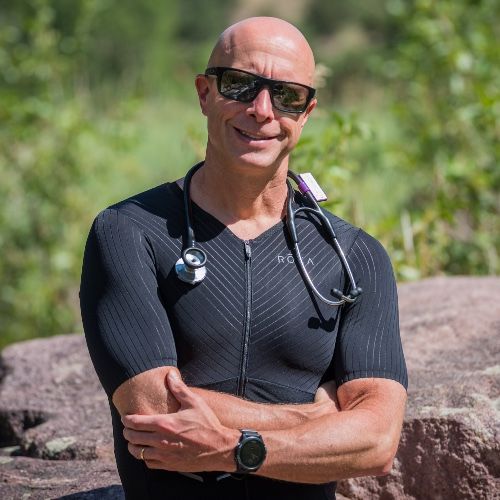

Tempo Talks Marbella, T100 debacle in Dubai and a new KQ system
This episode of Tempo Talks presents a profound exploration of the intersection between athletic performance, organizational dynamics, and community engagement within the triathlon sphere. Hosts Matthew Sharp and Jeff Sankoff navigate the complexities of recent triathlon events, including a critical analysis of the World Championships and the challenges faced by athletes on both individual and collective levels. The dialogue is punctuated by Jeff's personal narrative, detailing his experiences leading up to the race, the emotional and psychological facets of competition, and the stark realities of race logistics that can significantly impact performance outcomes. Furthermore, the hosts delve into pressing issues regarding the governance of triathlon events, examining the implications of organizational decisions on athlete experiences and community trust. Their discourse is not merely a recounting of events; it is an urgent call to action for stakeholders within the sport to prioritize athlete welfare, transparency, and innovation. As they reflect on the broader implications of their experiences, Sharp and Sankoff invite listeners to consider their own roles within the triathlon community, fostering a culture of support and collaboration that transcends competitive boundaries. This episode ultimately challenges listeners to engage critically with the sport, advocating for a future where both performance and community are held in equal regard.
Links to topics discussed:
The TriDoc Podcast
Matt's Instagram
Jeff's Instagram
Email Jeff: tri_doc@icloud.com
Email Matt: Matt@thetemponews.com
Signup for the Tempo News
Signup for The TriDoc Podcast Supplement form
Transcript
Welcome to Tempo Talks, a show that brings you analysis of the biggest stories in triathlon training, tips to make you a better athlete and breakdowns of the latest science and performance.
Speaker A:I'm Matthew Sharp, an Olympian in triathlon 70.3 Champion & Co founder of the Tempo News.
Speaker B:And I'm Jeff Sankoff, the tridoc medical contributor for Triathlete magazine, age group winner and coach at Life Sport Coaching.
Speaker B:Our goal, inform and entertain two perspectives.
Speaker B:One sport, all things triathlon.
Speaker B:Now let's get into it.
Speaker B:All right.
Speaker B:We owe you a huge apology.
Speaker B:It is long overdue, but we're here at least.
Speaker B:I'm here.
Speaker B:Matt?
Speaker B:Matt, are you there?
Speaker B:Matt?
Speaker B:Chat test 1, 2, 3.
Speaker B:Yeah, Matt, yeah, I'm here.
Speaker A:Yeah, I actually don't think you owe the folks at home an apology.
Speaker A:I do.
Speaker A:Full disclosure, partial disclosure, actually.
Speaker A:I'm moving houses.
Speaker A:And that was, I moved into.
Speaker A:It was missing a piece of critical infra Internet infrastructure and by the time I was able to get it sorted, I was not there.
Speaker A:I'm in Boulder.
Speaker A:So there's some.
Speaker A:We got some news on the horizon on my end and there's a bit of a spoiler alert, so to speak.
Speaker A:Sorry, I apologize.
Speaker B:We were struggling all of last week to get an episode out for you guys because there was so much to talk about.
Speaker B:And then as we were delayed and delayed, there was even more to talk about.
Speaker B:So this is going to be a chock full episode.
Speaker B:We are excited to bring it to you and we're sorry it's coming to you a little bit late, but we should start at the beginning.
Speaker B:My name of course, Jeff Sankoff.
Speaker B:I'm the Tridoc.
Speaker B:I am one of your co hosts for Tempo talks and we are very pleased to be back with you.
Speaker B:My compatriot, my colleague, my better half, as he likes to call me the.
Speaker B:My co host is of course Matt Sharp, sitting across from me on video.
Speaker B:But across in another county in Boulder where his Internet service is much better.
Speaker A:It's much better.
Speaker A:It's funny because nobody can see this.
Speaker A:My hair is like looking real frazzled right now.
Speaker A:And that's just how I feel.
Speaker A:I'm a little over the place.
Speaker A:I'm between two places.
Speaker A:We're here, we got the Internet and I'm really excited to talk to you about all this news that's happened.
Speaker B:It's going to be awesome and we do have a lot to talk about.
Speaker B:We do appreciate everybody's patience and everybody's sense of humor.
Speaker B:There was a lot of really great commentary going through The Talk Tempo Talks Facebook group.
Speaker B:So thank you all for sticking with us.
Speaker B:We promise we will do our best to make sure this is just a hiccup and won't happen too frequently.
Speaker B:Can't promise it will never happen, but we'll do our best.
Speaker B:I do want to just put a plug in before we go too much further and say this is the time of year when the quote unquote best of lists are being made or compiled by the various triathlon publications out there.
Speaker B:As a host of the Tridoc podcast, a podcast that I've been doing now for six, seven years, I've never been on any of those lists, but I hear from listeners all the time that they think that podcast and this podcast merit inclusion on some of those lists.
Speaker B:But I will tell you that one of the only ways to get on those lists is to have a lot of ratings and reviews.
Speaker B:So if you haven't already done so, Matt and I would be so grateful.
Speaker B:If you enjoy the program and you would like to see it on one of those best of lists, please do head over wherever you download the content.
Speaker B:Take a couple of minutes to just click on the rating.
Speaker B:And if you would leave a review, that would go a long way to making the show more visible.
Speaker B:We very much appreciate it.
Speaker B:Okay, without further ado, we have a program full of things to talk about.
Speaker B:We're going to begin with a quick overview of the men's and women's World Championships as well as my experience at the 70.3 World Championships in Marbella just a couple of weeks ago.
Speaker B:We are going to talk about the debacle in Dubai that was the T100 race.
Speaker B:And then of course, we will talk about the revised Kona slot allocation that came out on, I think it was the same day or maybe the day.
Speaker A:Before the last Friday.
Speaker B:It was last Friday, the day before the T100.
Speaker B:Okay, so we have a lot to talk about.
Speaker B:We'll begin with the Marbella.
Speaker B:Matt, before you talk, we talk about the pros.
Speaker B:You wanted to hear about my experience?
Speaker A:Yeah, I want to hear about your experience overall.
Speaker A:Like I was following along your whole week there.
Speaker A:It just looked like a dream.
Speaker A:You were going to Gibraltar.
Speaker A:You were going all these small towns having a great time, like after, you know, that pre.
Speaker A:Pre race kind of excursions.
Speaker A:Like, how are you feeling standing on the start line?
Speaker A:I know you trained a lot for this race, so where was your hat at on the start line in Marbella?
Speaker B:Well, I have to say that I go into these races without huge expectations.
Speaker B:Know Where I fit in in a world championship field.
Speaker B:I am very happy to be there, but I have no illusions that I'm going to be competing for a podium spot.
Speaker B:So I go to enjoy the experience, I go to try and do my best, but I am not super stressed that I am competing for top five or even top 10.
Speaker B:So that takes a lot of pressure off and lets me enjoy the whole week and experience.
Speaker B:I had a lot of fun with my wife, some very close friends of ours, triathlon Joe, Joe Wilson was staying very close to where we were and we actually spent a lot of time with Joe and that was a lot of fun because my wife finally got to meet Joe.
Speaker B:He is of course, a outsized personality.
Speaker A:Great character in the sport.
Speaker A:Joe, if you're listening, great character, great mustache.
Speaker A:Probably one of the best, if not the best mustaches in the sport.
Speaker A:100%.
Speaker A:That's right.
Speaker A:Yeah.
Speaker B:And he is a really, honestly, he's a genuine, very kind hearted guy and it was a lot of fun to hang out with him quite a bit.
Speaker B:And I honestly, when I would say the couple of days before the race, I started to feel a little bit anxious, which is not usual for me.
Speaker B:But I think I was just anxious because I knew what was coming when I got there.
Speaker B:Yeah, when I got there on Monday, I put my bike together, saw that everything was going to be working Tuesday morning, got up, went with Joe and my friend Kelly and her husband Simon, and we rode the course.
Speaker B:And I was relieved in a way to find that the course was a little bit more manageable than I had anticipated.
Speaker B:There were no really steep sections, but there were some very long climbs and some really fast descents.
Speaker B:Now the road opened when we rode it, so I wasn't totally sure what it was going to be like on race day, but the road surfaces were great.
Speaker B:Very pretty course and just felt it did look beautiful.
Speaker B:Yeah, it just felt like it was going to be good.
Speaker B:But as the race came closer, as we got to like Friday, I just started to feel a little bit anxious because I knew the run off of that bike was going to be a real challenge.
Speaker A:Surely, obviously you weren't the only person to have this feeling was there almost like a collective anxiety because of the course, like amongst people you talked with there other competitors?
Speaker B:I don't think so.
Speaker B:I think most people.
Speaker A:Poker faces.
Speaker B:Yeah, people were maybe either poker faces or they just didn't feel like I did.
Speaker B:I don't know.
Speaker B:It's hard to say.
Speaker B:I definitely felt well trained for the event.
Speaker B:I thought that I was ready to go and I think that I performed pretty well.
Speaker B:Not as well as I would have liked.
Speaker B:I suffered on the run, unfortunately.
Speaker B:But the organization of the event was really disappointing.
Speaker B:For all of the world championships I've been to, this was the worst.
Speaker B:This was the worst.
Speaker B:It was just.
Speaker B:And I want to be careful here because Ironman only has so much to do with it.
Speaker B:Most of this is organized by the people on the ground.
Speaker B:This is a Spanish federation or Spanish triathlon thing.
Speaker B:So it's really them who are organizing it more than anybody.
Speaker B:And for whatever reason, they put the whole event into a very small footprint.
Speaker B:Including the run course was in a small footprint.
Speaker B:And the run course, like the way it was set up, it just made it everything logistically very difficult.
Speaker B:Especially on Saturday when it came time for the men to be checking things in and the women to be leaving.
Speaker B:It was really a very unpleasant experience.
Speaker B:Two hours to check in my equipment and then on Sunday after the race, two hours to get out.
Speaker B:That's not okay.
Speaker B:And elements of the run course were very difficult.
Speaker B:But I'll get to that in a second.
Speaker B:So I'll just say that when I showed up and I'm on the start line, I felt really good.
Speaker B:I was very excited for this event and the water was calm.
Speaker B:The women had a great day the day before.
Speaker B:We were lucky that we looked like we were going to have a great day as well.
Speaker B:Got into the water, felt like I was swimming really well.
Speaker B:Never really felt like there was too much traffic.
Speaker B:Lot of turns on the swim course like we had talked about, which to me broke up the swim and made it feel good the whole way through.
Speaker B:But when I got out of the water, I couldn't believe how slow I was.
Speaker B:It was my slowest swim in a very long time.
Speaker B:And in looking at times, the fast swimmers, the people who are really fast swimmers, their times were pretty normal, but for pedestrian people like me.
Speaker B:And because my good friend Kelly, who actually finished fifth in her age group, wow.
Speaker B:Her swim was about the same time as mine and she's normally a little bit faster than I am.
Speaker B:I think that swim times were slow for everybody.
Speaker B:And I don't know how much of it was just all the turns and how much that congested at turns.
Speaker B:I don't know.
Speaker B:I don't have a great explanation for it.
Speaker B:I felt like I was actually swimming quite well.
Speaker B:And so I was very surprised to see how slow my time was, but was what it was.
Speaker B:I got out of the water, I just kept going and didn't think too much about it.
Speaker B:Transition was huge, but got it all done, got out of there, got onto the bike.
Speaker B:The bike course was great.
Speaker B:I was very surprised to see the draft packs.
Speaker B:I really was disheartened to see the young kids coming from behind because I started just before 50 to 54 and then after them was like 25, 29, and then 18 to 24.
Speaker B:So I had all these super fast kids coming from behind and they were coming through in huge packs.
Speaker A:And it was really.
Speaker A:No, it didn't appear to be.
Speaker A:A ton of penalties called where there probably should have been.
Speaker B:Penalty tents were empty the whole way.
Speaker B:And I was.
Speaker B:It doesn't affect me because I knew they're not my age group or.
Speaker B:But still, it's frustrating.
Speaker B:It really shouldn't be like that, especially when they're shorter.
Speaker A:Shorter penalties, like they should be less painful to give out in some ways for the officials and I.
Speaker A:From what I heard from other pros, it seemed that was echoed where, yeah, these guys are all coming out together.
Speaker A:And yeah, I.
Speaker A:Before the race I said, hey, I think there's gonna be tons of penalties thrown out.
Speaker A:And I like my picks totally wrong.
Speaker B:Yeah, I don't really have.
Speaker B:There were very few officials on the course.
Speaker B:And again, I don't know how much of that is Ironman, how much of that is the Spanish triathlon people, but it just went in.
Speaker B:It was in keeping with the whole week.
Speaker B:It was just really.
Speaker B:If you've seen anything online about the welcome banquet, that was a complete disaster.
Speaker B:It was a catastrophe.
Speaker B:That was.
Speaker B:They charged a ton of money and then people showed up and got like very little food and what.
Speaker B:And then they ran out of food.
Speaker B:It was really.
Speaker A:They ran out of swag too.
Speaker A:Right.
Speaker A:I feel like I saw that somewhere.
Speaker B:That was after the race.
Speaker B:Yeah.
Speaker B:So they ran out of.
Speaker B:They ran out of shirts, they ran out of.
Speaker B:I think they ran out of metal.
Speaker B:It was just.
Speaker B:Was not up to the usual Ironman standard and it was certainly not up to the world championship standard.
Speaker A:And before the race, this stuff like the schedule and the course was communicated to very slowly or late rather.
Speaker A:And it's easy to rag on the T100, which certainly happened recently.
Speaker A:But hey, Ironman also not executing perfectly.
Speaker A:And you got to call those balls and strikes, right, Jeff?
Speaker B:Absolutely.
Speaker B:I've been very critical of T100 when they've made missteps.
Speaker B:And I am equally vocal for this because I took part in this event.
Speaker B:And again, I have you paid good.
Speaker A:Money to go there.
Speaker B:Paid good money.
Speaker B:And I Hold Ironman to a high standard because that's what they've done.
Speaker B:They have lived up to that high standard in the past.
Speaker B:They did not live up to it in this event now.
Speaker B:I had a great time.
Speaker B:I really enjoyed myself.
Speaker B:I had a great experience because I made the most of it and I didn't.
Speaker B:I tried not to let a lot of these things bother me.
Speaker B:But I gotta tell you for.
Speaker B:I'll give you a great example.
Speaker B:T2 was in a garage.
Speaker B:So you came off the bike.
Speaker B:It narrowed down like you basically you were coming screaming into T2.
Speaker B:You turned a blind right hand corner and you basically immediately had to stop.
Speaker B:It narrowed down into basically two bikes wide.
Speaker B:It was super narrow.
Speaker B:You had to get off your bike and then you had to go down this very steep driveway into an underground garage.
Speaker B:So you went from bright sunlight to dark and then you were funneled into running single file.
Speaker B:And the men were not allowed to see the racks on Saturday when we went in.
Speaker B:Yeah.
Speaker B:So we had no idea which rack we were going to be putting our bike in.
Speaker B:And so we were coming around this.
Speaker B:We were basically put into this like single line and I'm coming down and there's other guys who are all.
Speaker B:Basically it just came to a complete stop because everybody's trying to figure out what rack they're going to.
Speaker B:And on Saturday when I went in there was like this Ironman staff guy.
Speaker B:And this is why I say I don't think a lot of this was Ironman.
Speaker B:I think a lot of this was the Spanish Federation.
Speaker B:I said to this Ironman official guy, I said, look, I know this isn't your fault but this is not acceptable.
Speaker B:You've got all of these guys who are amped up and they don't know where they're going to go on Sunday when they bring their bikes in.
Speaker B:This is not being taken well.
Speaker B:And he said, I know it's not us who did this.
Speaker B:And I was like, yeah, I had a feeling about that.
Speaker B:So it was, it wasn't great.
Speaker B:So it was just one of great.
Speaker B:Another example.
Speaker B:And then the way the run course was designed, you had this, you had to run over this like wonky bridge.
Speaker B:You probably saw it when you were watching Jella and Christian in the last mile they had to go up this bridge and take two 90 degree turns.
Speaker B:It's.
Speaker B:Who designs a course like that anyways?
Speaker B:And the run was deceptively difficult.
Speaker B:There was a lot of crosswind.
Speaker B:We were running along the ocean front.
Speaker B:There was just a ton of really stiff wind again Fast runners weren't bothered by somebody like me who was.
Speaker B:I definitely didn't have the kind of run that I was capable of.
Speaker B:And so I was a little bit disappointed by that.
Speaker B:But all in all, I feel like I had a reasonably.
Speaker B:I had a good bike.
Speaker B:I had a bit of a slow swim, bit of a slow run, but I was still quite content.
Speaker B:It was definitely the hardest 70.3 worlds I've done.
Speaker A:No doubt.
Speaker B:I'm happy that I did it.
Speaker B:And to see what happened in the professional races was incredible.
Speaker A:Yeah, we're proud of you.
Speaker A:You put in a great effort, had a good time.
Speaker A:That's what matters.
Speaker A:Good memories.
Speaker B:Yeah, it really is.
Speaker B:It really is.
Speaker B:And I do want to say, if you're going to one of these events, you the most of it if it's your first.
Speaker B:But if you've been to a couple and you're in a place like that, like I did, I went with my wife and our friends.
Speaker B:We went to a town called Ronda, which was up in the mountains.
Speaker B:It was spectacularly beautiful.
Speaker B:We took a day and went to Gibraltar on the advice of a friend of mine who said, oh, you got to go to Gibraltar.
Speaker B:And I never even thought of it.
Speaker B:And I'm so happy I went.
Speaker B:It was such a great experience.
Speaker B:So I got to really do these things.
Speaker B:And next year I've already qualified for Nice.
Speaker B:I have the friends who joined us in Spain, they live in Toulouse.
Speaker B:So we're going to fly into Toulouse, spend a few days there, and then go to Nice and be in Nice just a few days before the race.
Speaker A:It's weird to say that Nice is going to be easy compared to this.
Speaker B:I know, but it so will.
Speaker B:It's.
Speaker B:I. I have to say, Matt, a lot leading up to this race about how I was going to use my old bike and how I changed the gearing on my old bike to make it easier.
Speaker B:But the setup on my old bike is clearly not exactly the same as the setup on my new bike.
Speaker B:And that kind of bit me, I think, because I either didn't have the seat right or it just isn't the same.
Speaker B:Because.
Speaker A:Do you think you could have brought your typical bike and had the same or more success?
Speaker B:No, not the way it's set up right now.
Speaker B:Because the gearing isn't right.
Speaker B:Because it was.
Speaker B:Listen, the hills are challenging and with the cassette that I had on it, had on my old bike, it was perfect.
Speaker B:I was really happy with the gearing I had.
Speaker B:The problem was I was stressing my hamstrings a lot more on my track than I do on my diamond.
Speaker B:And so when I got to the run, I was starting the run and my hamstrings were already cooked.
Speaker B:And that's why I had a slower run than I would normally.
Speaker B:Now, next year, I'm going to talk to TJ Tolkson, who is the owner of Diamond Bikes, and I'm going to talk to him about whether or not I can do something about the gearing of my diamond so that I can have the right gearing for nice.
Speaker B:Because I'm going to.
Speaker B:Because I want disc brakes.
Speaker B:Because I did not love having the rim brakes.
Speaker A:No, not the fastest sense.
Speaker B:Yeah, it was tough.
Speaker B:I hit 50 miles an hour on the descent, which is the fastest I've ever gone crazy.
Speaker B:So, yeah, it was pretty nuts.
Speaker B:And so, yeah, next year I want my disc brakes.
Speaker B:And I would prefer to have the bike that I know is going to be a little more comfortable.
Speaker B:Yeah, but the pros, man, we were both totally wrong.
Speaker B:And I'm happy to say look at what Taylor and Lucy did in the women's field.
Speaker B:Katie, unfortunately, with that injury, it was a surprise, but should have known when.
Speaker A:I picked her, it was gonna be over.
Speaker A:The curse continues.
Speaker A:Yeah, well, I have no words for the.
Speaker A:For those women.
Speaker A:I have no words because it's not.
Speaker A:It was just such a tight turnaround for Nib and Lucy Charles and what they did coming off that incredible heat stress in Kona and then delivering knockout punches essentially in Marbella, it just.
Speaker A:I just can't describe it.
Speaker A:It's got to be.
Speaker A:There's so many performances of the year, and now these are up for performances of the year in a lot of ways.
Speaker B:Yeah, I agree.
Speaker B:Jess Learmouth looked great, too.
Speaker B:She definitely a great day.
Speaker B:It was a great day for the women.
Speaker B:I think they really.
Speaker B:They put on a show.
Speaker B:They did a great job.
Speaker B:And you just can't say enough about Lucy and Taylor.
Speaker A:No doubt.
Speaker B:Amazing.
Speaker B:Amazing.
Speaker A:It sets up a great T100 final, too, for them as well.
Speaker B:Yeah.
Speaker B:And then, of course, on the men's side, have we seen a 70.3?
Speaker B:Never mind world Championships, but have we ever seen anything like that with Yella and Christian running, what, like, basically 10K together, right?
Speaker A:Yeah.
Speaker A:Look, I didn't watch the race.
Speaker A:I was sleeping.
Speaker A:But if you had told me that Yella's going to come off the bike similar time to Christian, I'm in my head.
Speaker A:And the rest of the guys in my head, I'm saying, okay, how much is yellow going to win?
Speaker A:By.
Speaker A:And as it turns out, three seconds.
Speaker A:Three seconds.
Speaker A:Like, it was just incredible.
Speaker A:When you watch the clips, like I just watched the clips, and you just see the battle between them.
Speaker A:Like, Yella attacked and then Christian just clawed it back like he had.
Speaker A:He obviously had Nice in his mind, that disappointment in Nice not taking the win.
Speaker A:And he absolutely turned himself, Blumenfeld, inside out to hang with Yella.
Speaker A:And Yella just.
Speaker A:He just has that little bit extra of a gear because he's not training for Ironman.
Speaker A:And I think ultimately that was what made the difference in that battle.
Speaker A:But it's such an incredible battle.
Speaker A:Insane.
Speaker B:There was a tactical thing there.
Speaker B:I don't.
Speaker B:I didn't go further, far enough back in the video to see when it happened.
Speaker B:But Yella knew he had to be on the right coming down that last little bit.
Speaker B:And I don't know how he got himself on the right, but he.
Speaker B:And you could see again, this course was just so poorly designed that when the two of them were coming in, it got very narrow.
Speaker B:And you could see they're almost like fighting each other for position.
Speaker B:They're like physically fighting each other.
Speaker B:And Yella got the edge and that was it.
Speaker B:The race was won as soon as he got that edge because he was able to get the inside track on that corner.
Speaker B:And that Christian just couldn't make that up.
Speaker A:I think even if Yella didn't have that inside track, I think he still would have beat Christian.
Speaker A:It might have been even closer.
Speaker A:But that.
Speaker A:That effort that he put in, that little dig that he put in and they bounced off each other or whatever, that to me was where the race was almost lost because Christian lost his edge a little bit.
Speaker A:He yelled.
Speaker A:Almost got into his head there.
Speaker A:And I can empathize or relate.
Speaker A:I've been in that position before where you need to get that inside line, especially when you have a tight turn.
Speaker A:I've had a few races where I've had a tight turn to a finish.
Speaker A: The St. Anthony's race in: Speaker A:It's so funny because you train as an endurance athlete, you train for pushing yourself over a long period of time, and then when it comes down to these kind of like sprint racing tactics, it's just a whole different ball game.
Speaker A:And it comes down to a Little bit of psychological.
Speaker A:It's not just physical.
Speaker A:It becomes psychological and we love that.
Speaker A:Like, I love that.
Speaker B:So there was some chatter afterwards about the way when they crossed the line, Christian went over and congratulated Yellow, but Yella didn't really acknowledge Christian and there was some sort of.
Speaker B:No.
Speaker B:Is there.
Speaker B:Do you have any sense?
Speaker B:Is there bad blood there or.
Speaker A:I didn't even see this.
Speaker A:I don't think there's bad blood.
Speaker A:I think Yellow was just so fired up on the race and the result that maybe he just got lost in it.
Speaker A:I didn't see it if I saw it.
Speaker A:And that's unfortunate if he didn't acknowledge Christian because they had such a tight battle and it was such a good race.
Speaker A:You got to respect your competitor at the end of the day.
Speaker A:But I'm just going to assume maybe he was just lost a little bit in.
Speaker A:In the victory, which happens.
Speaker A:That wasn't the worst thing to happen at the end of that race, that's for sure.
Speaker B:Oh, and just going back, Yellow crashed his bike.
Speaker B:Had issues with his ability to change gears.
Speaker B:His helmet looked so goofy on his head after that.
Speaker A:Yeah, he looked like.
Speaker B:He looked like.
Speaker B:Oh, my God.
Speaker B:What's his name?
Speaker B:Bora Hansgrove, Tour de France.
Speaker B:Yeah, yeah, yeah.
Speaker B:He used to ride on Visma Roglich.
Speaker B:He looked like Roglich that year when Roglich lost the time trial because his helmet was sitting funny.
Speaker B:That's what that's a.
Speaker B:Gains looked like anyways.
Speaker B:Yeah, he had all these mishaps happen and he still ends up winning.
Speaker B:Just remarkable stuff.
Speaker A:Beautiful story.
Speaker A:Beautiful, like narrative.
Speaker A:And again, it was four.
Speaker A:Four race weekends out of four race weekends.
Speaker A:We had all time Ironman races, unbal races on the field, off the field, the broadcast, not all time.
Speaker B:Jeff.
Speaker B:Yeah.
Speaker A:This is a tipping point.
Speaker B:Yeah.
Speaker B:You think so?
Speaker B:I. I remain unconvinced because I just don't get the sense that they care what we think.
Speaker B:And I don't mean we.
Speaker B:You and me, we.
Speaker B:The viewing public who has been crying foul about this for.
Speaker B:They were off.
Speaker A:Yeah, we got to.
Speaker A:I'm just going to call him out.
Speaker A:Lovato.
Speaker A:I don't think he's built for this.
Speaker A:These moments.
Speaker A:He's not professional.
Speaker A:Iron man hasn't done a good job of training him and maybe give him a little credit.
Speaker A:The whole footage at the end of the sprint too, right at the end of the race, like, they totally dropped the ball on that.
Speaker A:So obviously that was a bit tough.
Speaker A:To me, this whole experience felt like a tipping point where Iron man needs to make these changes.
Speaker A:Like maybe they need to just let go of their producer, whoever's producing this event because they're not executing like the.
Speaker A:They're not respecting one the athletes on the field who are putting in generational performances.
Speaker A:We're always going to talk about these Lucy Charles Barclay like Taylor Knibb collapse like the nice men's run battle the races here in Marbella.
Speaker A:We're always going to be talking about those.
Speaker A:So they're not respecting the athletes who are doing everything for Ironman on the field and they're not respecting the viewers who are putting in their time.
Speaker A:Attention is one of the most scarce resources in the world today.
Speaker A:Ironman somehow has our attention because of the races on the that are going on.
Speaker A:But T100 they got their own issues but maybe they can continue to do a little bit better of a broadcast and take some attention away because it's just, it feels like it needs.
Speaker A:Something needs to change.
Speaker B:It's really sad.
Speaker B:It's sad.
Speaker B:We've had now like you said, four phenomenal races that have really been hurt by the lack of quality.
Speaker B:Not even just lack of quality but the actual.
Speaker B:Just how bad these broadcasts are.
Speaker B:Like how often are you going to go back to the well with Miranda Carfrae who phenomenal world champion Daniela Ryf not a good broadcaster.
Speaker A:And if Iron Man's not willing to invest in them then they're not gonna get better because that's just how it is.
Speaker A:There are broadcasters who are better.
Speaker A:And Jeff, I sent you that clip of the world triathlon Grand Final.
Speaker A:World Triathlon.
Speaker A:They've had announcers for a long time.
Speaker A:They brought in totally new crew and Will McCloy.
Speaker A:Belinda Granger Absolutely killed it.
Speaker A:Like I was having chills listening to him call Matt Houser across the line.
Speaker A:That's how it should be.
Speaker A:That's how it should be.
Speaker A:So it's a choice.
Speaker A:Ironman has the resources.
Speaker A:I just like.
Speaker A:I'm like man, what's it gonna take?
Speaker A:Because I think what they're leaving on the table with their broadcasts could also be such a good revenue opportunity for them.
Speaker A:I'm not an executive, I don't really know this stuff but it just blows my mind that in the past Ironman was able to get non endemic sponsors like I remember like State Farm sponsoring, getting ads on the broadcast and now they're just going off the outside ones.
Speaker A:I'm like how are they not monetizing these broadcasts better get based on the audience who is watching.
Speaker A:I have data on triathletes I know how valuable this audience is.
Speaker B:Yeah.
Speaker A:Like how are you not getting better partners?
Speaker B:For years and years and years, the NBC, the compilation broadcast that they did for Kona was a huge event.
Speaker B:It was must see TV for triathletes because NBC did it.
Speaker B:They made, they, they compiled, they obviously they, NBC did what they always did.
Speaker B:They always had their human interest stories on one side, but they always did the pro.
Speaker B:They did the pro race properly and man, it was must see tv.
Speaker B:I had a whole bunch of them downstairs and I would watch over and over again as I was on the trainer because it was constantly great watching.
Speaker B:And who didn't get emotional when after everything was all said and done, the last 10 minutes of the show was just about the age groupers finishing.
Speaker B:I would bet that there are all kinds of people out there who got into doing Iron man because they watched that show 100%.
Speaker A:100%.
Speaker A:It's a little different now with the way like our media environment is like everybody's not watching one of the three networks.
Speaker A:Like it's just very different that way.
Speaker A:But the production value that you were talking about, Spot.
Speaker A:Yeah.
Speaker B:And they're missing this opportunity.
Speaker B:Like they don't have to make it the big million dollar TV event or anything.
Speaker B:But it just, it wouldn't know that much to make it better.
Speaker A:This isn't really analogous.
Speaker A:I'm just going to go there.
Speaker A:But like you people will sit down and listen to Joe Rogan talk to somebody for three hours.
Speaker A:Imagine having a podcast style setup where you're getting maybe different guests come in while the racing's going on.
Speaker A:You can have good announcers doing it.
Speaker A:I just think they can elevate it so much more and get creative.
Speaker A:Anyways, Jeff, if there was Ironman, plus if Ironman was like, hey, we're bringing out a streaming service.
Speaker A:What would you pay to watch all the pro series races?
Speaker A:What's your number?
Speaker B:I'm not going to pay anything with these guys.
Speaker A:But what if it was better?
Speaker A:If it was, let's say it was better and I thought you tuned in.
Speaker A:Yeah.
Speaker A:And like it's gonna be a good quality.
Speaker A:Doesn't have to be perfect.
Speaker A:80.
Speaker B:I'd probably pay 100, 150 a year.
Speaker A:I said 100.
Speaker A:I said 100.
Speaker A:And I think Iron man doesn't understand that there are a lot of people who would pay that kind of money and obviously you want people to.
Speaker A:More people get exposed to the sport.
Speaker A:So maybe like Kona is free or something.
Speaker A:I don't know.
Speaker A:Again, I'm not an executive.
Speaker A:I'm just throwing ideas out here.
Speaker A:But there is an audience who will pay that money.
Speaker A:And, yeah, it just feels like Ironman is leaving a lot on the table.
Speaker B:Yep.
Speaker B:I could not agree more.
Speaker A:Don't hire me to announce.
Speaker A:I'm not saying I'm going to be a good announcer.
Speaker A:I'm just saying there are people out there.
Speaker B:That's right.
Speaker B:And yeah, it's really sad.
Speaker B:It's tragic.
Speaker B:And it's a sport that we both love so much and are so passionate about and love to watch these races live.
Speaker B:But.
Speaker B:But I have to turn the audio down.
Speaker B:It's just so bad.
Speaker B:And that's.
Speaker B:I feel like I'm missing something.
Speaker B:Anyways, speaking of debacle.
Speaker B:Yeah.
Speaker B:It's a good segue to the debacle in Dubai, which was the T100.
Speaker B:I was sending you clips.
Speaker B:This is another race that I don't think either.
Speaker B:Did you watch it live?
Speaker B:I didn't.
Speaker A:I woke up and k. My wife, she was in Brazil, so she was a little ahead on the time zone for her race and she just texted me like, oh, my God, Dubai.
Speaker A:That was the text.
Speaker A:And I was like, oh, shoot.
Speaker A:I said before, I was like, this is an opportunity for the T100 to piggyback off Ironman.
Speaker B:That's right.
Speaker A:Failure.
Speaker A:Piggyback off their failure and show how you are the future.
Speaker A:You're going to bring a whole different situation.
Speaker A:Better broadcast, blah, blah, blah.
Speaker A:And of course, they seized defeat from the jaws of victory.
Speaker B:All right, if you don't know what we're talking about, there was a big event in Dubai that had a phenomenal men's field.
Speaker B:The women's field was good but not quite as big.
Speaker A:It was mostly wild cards.
Speaker B:Yeah.
Speaker B:So the men's field was really the race to watch.
Speaker B:And basically Hayden Wild with a couple other guys, they were.
Speaker B:They had broken away.
Speaker B:They were leading on the bike.
Speaker B:But when they got to the end of what should have been their bike and they should have been pulling into transition, they didn't.
Speaker B:They miscounted their laps and they ended up doing an extra 6k lap.
Speaker B:And that would be.
Speaker B:If it just ended there.
Speaker B:That would be like.
Speaker B:People would just talk about that and be like, oh, what a couple of dunderheads.
Speaker B:But what ended up happening is that there was this.
Speaker B:They had to run laps on the.
Speaker B:They had to run like eight laps of the race and there was a counter that was showing the athletes when they were supposed to.
Speaker B:When they were done and the counter malfunctioned.
Speaker B:So Nobody knew where they were.
Speaker B:People, the worst look ever for a triathlon.
Speaker B:They're calling, I think it was so Morgan.
Speaker B:It was Morgan and Pearson.
Speaker A:If you look at the clip and if you watch live, you would know what I'm talking about.
Speaker A:But when Morgan had passed Mika Newt to take the lead, the camera was on him and he was running and clearly in the lead, probably gonna go in.
Speaker A:All of a sudden the camera pans to the finished shoot and you have Mika Newt running in.
Speaker A:He looks confused, but he's just running in and he lifts the tape and I think it's Ferdino's on the mic and he's just, oh, no, what's going on?
Speaker A:What's happening?
Speaker B:Yeah.
Speaker A:And Micah looks confused and clearly someone's saying something to him.
Speaker A:It was chaos.
Speaker A:Pearson's still leading.
Speaker B:It was, it was ridiculous.
Speaker B:So it was the worst possible look.
Speaker B:And the announcers were just like dumbfounded going, oh, this is not okay.
Speaker B:And anyways, it was awful.
Speaker B:The athletes basically went and voted on who should win and then Pearson came back.
Speaker A:So basically stage a photo, 16 of the athletes did not do the full eight loops.
Speaker A:I think they did seven because of this digital scoreboard that malfunctioned and told them to go to the finish when they should have had another whatever lap on the thing.
Speaker A:And then so six, 16 or whatever of them went to the finish early.
Speaker A:Four of them did the full eight, eight laps or whatever and there was chaos at the finish.
Speaker A:They didn't know who won.
Speaker A:They.
Speaker A:The women were actually competing at the similar time.
Speaker A:So Julie Darin, who won, they obviously fixed the scoreboard for her and she was fine.
Speaker A:She won.
Speaker A:She's in great position for the grand finale.
Speaker A:But the guys race was just absolute chaos.
Speaker A:They didn't know, like you said, they had a secret vote or something.
Speaker B:Yeah, yeah.
Speaker A:What should happen?
Speaker A:Which, which to be honest, I don't know.
Speaker A:That seems like a very professional triathletes organization bringing the athletes in.
Speaker B:Okay, so here's, here's where we're going to disagree.
Speaker B:So you and I have been disagreeing about this for a week and apparently most of the people on Talk Tempo Talks agree with you.
Speaker B:And that's okay.
Speaker B:I'm all right with that.
Speaker B:I'm all right with that.
Speaker B:They're all wrong, but that's okay.
Speaker B:Look, here's where I come down on this.
Speaker B:You and I were talking and I made the assertion that this is yet again an example of the T100 with egg on its face.
Speaker B:Because an organization, really.
Speaker B:This is silly.
Speaker B:This is ostensibly a high level professional organization putting on events like this.
Speaker B:This is the worst look possible.
Speaker B:And we went back and forth, you and I did confess that, look, athletes need to know the course and it is a little bit on them.
Speaker B:And you have taken the sort of the opinion and the point that, look, there's 50, 50 here.
Speaker B:The athletes have to own some of this.
Speaker B:My final sort of the way I come down on this is as follows.
Speaker B:This.
Speaker B:Everywhere I have worked in healthcare, everywhere I've worked, if somebody makes a mistake, if an employee makes a mistake, you don't blame the employee.
Speaker B:You blame the systems that were set up that allowed the employee to make a mistake.
Speaker B:And so therefore it's not on the employee who made the mistake, but rather the design of the systems which falls back on the employer, the greater kind of organization.
Speaker B:And I continue to contend that this is 100% on the T100.
Speaker B:It shouldn't be up to the athletes.
Speaker B:When Hayden Wilde takes the wrong, takes the extra lap, he's being followed by a camera bike, for God's sakes.
Speaker B:There's an official there.
Speaker B:Somebody needed to tell them and say, and interrupt them and say, you guys have done too much.
Speaker B:Go back.
Speaker B:It's.
Speaker B:There's the exit.
Speaker B:Get off.
Speaker B:This is.
Speaker B:This should not be left to the individuals.
Speaker B:But this is a systems issue and the T100 is 100% responsible for those systems.
Speaker B:And therefore I think they're the ones who should soak up the blame.
Speaker B:They shouldn't be leaving it to the athletes to vote on who wins.
Speaker B:This is just.
Speaker B:I.
Speaker B:It was a fiasco.
Speaker B:It's the latest in a string of fiascos and it continues.
Speaker B:And I know there are people who don't like me banging on the T100 all the time, but I'm sorry, I just, this is.
Speaker B:I don't know.
Speaker A:I don't know the punching guy.
Speaker B:You can, yeah, I don't know how you could defend them at this point.
Speaker A:Have we seen the T100 kind of take some ownership?
Speaker A:Like, I feel like they've met Sam and Uf did like an Instagram story which I'm like, you should have had a post so like people could comment on and whatever.
Speaker B:Dano jumping on people who are.
Speaker A:Yes, he has probably some incentive with the T100.
Speaker A:They may pay him quite well to.
Speaker A:To be there.
Speaker A:And so, yeah, he's going to defend them.
Speaker A:And I somewhat understand that.
Speaker A:My whole thing is around taking ownership.
Speaker A:And at the race briefing they would have been told, you are doing whatever loops in the Bike.
Speaker A:I feel like it was six or eight loops on the bike.
Speaker A:It was eight.
Speaker A:I think it was eight and eight.
Speaker A:And if it's not, I wasn't listening to the briefing.
Speaker A:But when they tell you to do eight laps, you're doing eight laps.
Speaker A:Doesn't matter what it says on your Garmin, because this is what it came down to, Hayden.
Speaker A:And this is a whole different issue where I think although they didn't do the same the pros didn't do the same course as the age groupers.
Speaker B:I don't know.
Speaker A:No, I don't think they did.
Speaker A:But with a T100, I feel like maybe they're shortening these courses a little bit just to.
Speaker A:People love flexing their PRs on certain times.
Speaker A:And I could see the T100 definitely doing these courses short.
Speaker A:They definitely shouldn't have done that for the pros.
Speaker A:But clearly, the way they designed the course, it was only going to be 76k instead of 80.
Speaker A:And Hayden, he's racing hard.
Speaker A:He wants to go for the win.
Speaker A:He's in the zone.
Speaker A:He sees 76k on his Garmin.
Speaker A:And from what I could tell in the video, he basically just rode past that transition and put up the number one saying he had one lap to go.
Speaker A:And sure, like, I guess if you're looking at your garment and just going off your garment, but if they're telling you to do eight laps, that's what you do.
Speaker A:So for me, it's okay.
Speaker A:You got to take ownership of doing an extra lap because even though your garments is 76k, they told you to do eight laps.
Speaker A:You do eight laps.
Speaker A:And unfortunately for the guys behind and I've done this too before, like, I followed Patrick Lange off course at Oceanside that year because it's Patrick Lange, like, he knows where he's going.
Speaker A:Spoiler alert.
Speaker A:Didn't know where he's going.
Speaker A:So we went off course.
Speaker A:But again, like, I needed to know the course.
Speaker A:I didn't.
Speaker A:So that's on me.
Speaker A:It's on the other two guys.
Speaker A:And you're seeing them.
Speaker A:The guys who are commenting.
Speaker A:Martin Van Real came out of the gate pretty hot against the T100.
Speaker A:But the other guys, they're, yeah, we own this.
Speaker A:We should have done the right amount of loops.
Speaker A:And I think that's the right thing to say.
Speaker A:Do come around to you a little bit where I feel like the T100 should take some ownership and say, hey, our whatever T2 personnel or whatever just wasn't clear enough.
Speaker A:We'll do better next time.
Speaker A:Because at the end of the day, these guys, they almost get a pass for making mistakes because they make so many.
Speaker A:So if you're taking ownership of your mistakes, I think people are actually pretty quick to, to have respect for you for that.
Speaker A:It wasn't a safety issue, thankfully.
Speaker A:If there was a fundamental safety issue, that's a whole different thing.
Speaker A:But it's just like it wasn't clear that they were supposed to go into T2.
Speaker A:Okay.
Speaker A:I think there's mistakes on both sides, but I do think athletes are ultimately responsible for their laps and on the run as well.
Speaker A:I get it, too.
Speaker A:If you're in the zone, you're hurting.
Speaker A:It's a hot race.
Speaker A:Like, you're not working on full brain capacity.
Speaker A:You're probably missing a lap or something.
Speaker A:And if you a big scoreboard tells you to go to the finish, hell yeah, you're going to go to the finish.
Speaker A:But not every athlete did that.
Speaker A:Four of the athletes counted all the laps, did all their laps.
Speaker A:And it's again, it comes down to ownership.
Speaker A:But that is the T100's fault.
Speaker A:They in a lot of ways because they had this digital scoreboard which maybe they hopefully won't have next time.
Speaker A:I get the idea it looks cool, but when this stuff happens, it's not worth it.
Speaker B:You need fail safes.
Speaker B:Right.
Speaker B:But that's again, that falls on the organizers.
Speaker B:They need to have somebody manually checking these things.
Speaker B:They need to have somebody that's just not on the ball and watching.
Speaker B:And I just think it's a terrible look.
Speaker B:Laura Siddal said it really well.
Speaker B:She said, no matter who's to blame, this is a terrible look for our sport and it's just really sad.
Speaker B:And I agree with that.
Speaker A:It is a terrible look.
Speaker A:My conspiracy theory now is that somehow they did this on purpose because a race in Dubai, weird time zone, not a lot of people watching.
Speaker A:It was going to go by script, right?
Speaker A:Hayden Wild was going to win.
Speaker A:Julie Darin won.
Speaker A:Okay, crickets after that.
Speaker A:But now everybody's talking about this.
Speaker A:Everybody is going off.
Speaker A:And as we know, enragement equals engagement.
Speaker A:So now going into T100, Qatar, the Grand Final.
Speaker A:Ooh, there's a little more intrigue.
Speaker A:Hayden Wild, maybe his lead isn't totally sewn up, but maybe it's not.
Speaker A:Martin Van Real, he's out of the picture now.
Speaker A:Who else can get on the podium?
Speaker A:Like, it just.
Speaker A:That's my conspiracy theory anyways.
Speaker A:That's definitely not what was intended.
Speaker A:But, hey, I'm going to be paying more attention to Qatar for sure after this.
Speaker B:You mentioned Sam Ranuf and accountability.
Speaker B:How.
Speaker B:Like how.
Speaker B:How long till somebody actually goes after Sam Ranuf?
Speaker B:Because the bucks got to stop with him.
Speaker B:And I've yet to really.
Speaker B:It's one thing to have accountability.
Speaker B:It's another thing to say we screwed up.
Speaker B:We will make sure it doesn't happen again.
Speaker B:I don't ever hear that second part from him.
Speaker B:I very rarely hear him actually say we screw up, you know, for sure.
Speaker B:Usually deflects.
Speaker A:I agree.
Speaker A:He needs to take more accountability.
Speaker A:The thing is when you say the buck stops with him, like he is the buck in a way.
Speaker A:Like he is.
Speaker A:I think he keeps his job right now because he's the one who's bringing in all these different funding partners and whatnot.
Speaker A:Like he's keeping the T100 afloat in a lot of ways.
Speaker A:And maybe I'm wrong, maybe someone else is doing it behind the scenes, but he certainly is positioning himself as the one who is bringing on Saudi.
Speaker A:Saudi just is coming on board, obviously, with their big investment.
Speaker A:He's got Dubai, he's got Qatar, man.
Speaker A:Is Kuwait next.
Speaker A:Like, where else is he going here?
Speaker B:Yeah.
Speaker A:So I think that's how he keeps his job, is because he's ultimately the one who's bringing in the money that keeps it going.
Speaker B:Well, interesting piece in the New York Times today about the Saudi wealth fund being cash strapped, which.
Speaker A:Interesting.
Speaker B:Yeah.
Speaker B:Which made me raise an eyebrow and think, oh, but they have money for the 2, 100.
Speaker B:That is that something that's going to just disappear all of a sudden?
Speaker B:I don't know.
Speaker B:We'll see.
Speaker B:Anyways.
Speaker B:We'll see if the grand final goes off any better than what happened today.
Speaker B:And that's coming up.
Speaker B:What, just two, three weeks now?
Speaker A:Yeah, December, mid December.
Speaker A:So coming up soon.
Speaker A:Yeah.
Speaker A:It's a long season for these athletes.
Speaker B:All right, we have another full Ironman this weekend.
Speaker B:It's taking place in Cozumel.
Speaker B:I give a shout out to Matthew Marquardt, who will be racing there.
Speaker B:I had a chance to exchange a couple of messages with him today.
Speaker B:So he's feeling good, he's down there and he is race ready.
Speaker B:Looking to try and secure a Kona slot early.
Speaker B:Anybody else racing that you know of, who we should be watching down there?
Speaker B:I haven't been paying attention.
Speaker A:Honestly.
Speaker A:I haven't been paying attention.
Speaker A:Yeah, your guy, Marco Patrick Lange was supposed to go, but he's.
Speaker B:But he's.
Speaker B:He pulled out.
Speaker B:Yeah.
Speaker A:Yeah.
Speaker A:But speaking of Kona qualification, Kona slots as Kona overhaul That's.
Speaker B:That's our final topic for today, and that is the re.
Speaker B:Revisiting or re.
Speaker A:What I said, the overhaul I said.
Speaker B:So we had all of this, of course, consternation from mostly a feisty group of ladies.
Speaker B:They say that tongue in cheek because I'm referring, of course, to literally.
Speaker B:Yeah, feisty triathlon, who tends to be the noisiest when it comes to this subject.
Speaker B:Back at Ironman, California, the Kona slot allocation didn't go quite the way it was planned, such that when women were passing on the slots, as happened in a few age groups, the slots would then go into the performance pool.
Speaker B:And the performance pool, by virtue of the fact that there were so many men racing.
Speaker B:There were.
Speaker B:At Ironman, California, there were 700 women that completed the race and there were over 2,000 men.
Speaker B:The performance pool was basically all men.
Speaker B:So what was happening was, is that if women were passing on their slots, the slots were going to the performance pool, which meant they were going to men.
Speaker B:And what ended up happening is that you had.
Speaker B:Out of the 40 slots, I think only like 10 went to women or something like that.
Speaker B:It was a smaller than.
Speaker A:Essentially, since, like the new qualifying period has come out, about like 95, 96% of these performance pool slots, which are supposed to be a little more equal, have gone to men.
Speaker A:So 96 of them percent has gone to men.
Speaker A:And really fundamentally that didn't match Iron Man's expectations, which is going to be more like 80, 20, based on previous figures.
Speaker B:Yeah.
Speaker A:Is there this Kona effect?
Speaker A:People are talking about a bit of a Kona effect that was drawing a lot of the fast women away.
Speaker A:And so that's why for these qualifying races, maybe there just wasn't as many good women because so many were in Kona.
Speaker A:What do you think possible?
Speaker B:It's possible all of the races that took place to that point were affected by that.
Speaker B:We saw Arizona this past weekend, but I believe Arizona was subject to the new rules.
Speaker B:We.
Speaker B:I couldn't tell you if Arizona would have looked any different because that would have been the first race, would you, where you would have seen women who had competed in Kona would now be racing again.
Speaker A:And the big change now.
Speaker A:So before the performance pool was open to everyone, the performance pool slots, and now the performance pool is split up between gender based on how many women and how many men are on the start line, which is back to that proportional thing we try to get away from before.
Speaker A:Right.
Speaker B:There's two changes.
Speaker B:The first change is the change that I actually suggested on this program, which is that if women in an age group, because, remember, the slots go to each age group, there's one slot to every age group, and it goes 1, 2, 3 to the first three.
Speaker B:And if those three pass, then it's supposed to drop into a performance pool.
Speaker B:And I had said at the time when we first talked about this, I said one of the things they could do is make sure that if a slot gets passed through three women, don't give it to the men, keep it within the women.
Speaker B:And that's essentially.
Speaker B:That's one of the things that they're doing now, because what they've done is they're creating two performance pools, one for men, one for women.
Speaker B:And the age group slots that get passed, they will drop into the a performance pool of the same gender.
Speaker B:So slots will not cross gender.
Speaker B:So that's good.
Speaker B:And then what they're doing is, so if there are 40 slots for a race and 24 of the slots went to age group winners, that leaves 16 slots.
Speaker B:And then those 16 slots are being divvied up by gender according to representation.
Speaker B:So like you said, 80, 20 or so.
Speaker B:And yeah, it just goes back to that proportional kind of what we saw in the first place.
Speaker B:You are still going to get women overrepresented by this because the.
Speaker B:By virtue of the fact that all of the female age groups get a slot, and then you also split the performance pool slots, the women will be overrepresented by a reasonable margin.
Speaker B:So I did the numbers for California.
Speaker B:For example, in California, where the women represented 15% of the participants, if you use the new model, the women will get 35% of the slots.
Speaker B:So that's a pretty big increase.
Speaker B:And you can argue whether or not.
Speaker A:It sounds like two more likely to decline their spots just because, like, that seems to be what I'm hearing.
Speaker B:And that's been the case now for a few years.
Speaker B:And yeah, I guess.
Speaker A:What would be the right number of women on the start line in Kona?
Speaker A:I mean, we, we all want 50 50.
Speaker A:Like I want 50 50.
Speaker A: But reality is, it's not: Speaker A:So right now, what do you think.
Speaker B:Is the right number?
Speaker B: Should it be: Speaker B:The women are 15%.
Speaker B:At the world championship, though.
Speaker A:At the World Championship, what is it for 70.3 worlds?
Speaker A: Is it like: Speaker A:Or is that just Iron man?
Speaker B:No, it's 70.3 worlds.
Speaker B:They have their own day.
Speaker B:So it's 50 50.
Speaker A:Okay, so why couldn't it be like that in Kona, especially given the limited spots on the pier, which we don't even know how many there are.
Speaker B:Because I personally, if it was the other way around, I am quite convinced that the feisty crowd would not think that it was fair for 50% of the slots to go to men who represent 15% of the finishers.
Speaker B:Yeah, I'd love to see it 50.
Speaker A:50, but I think we all want to see 50.
Speaker A:Yeah.
Speaker B:To get it 50, we need to see more women in the sport.
Speaker B:I would like to see what can be women.
Speaker A:What do you think, sport?
Speaker A:What do you think a reasonable number is for next year?
Speaker A:I have an idea in my head, but what do you.
Speaker B:I mean, I'm.
Speaker B:I think 30 to 35% is.
Speaker B:It's basically.
Speaker B:It's double the numbers that they represent.
Speaker B:And I think that's a very reasonable.
Speaker B:I've said that from the first time we spoke about this.
Speaker B:I said double their representation in the races to the world championship.
Speaker B:I think that is fair.
Speaker A:Yeah, I think.
Speaker A:I don't think you can put a date on exactly when 50, 50 could occur, but I do think Ironman could have these kind of like targets and graded over time.
Speaker A: Let's say by: Speaker A: can continue on say, hey, by: Speaker A:Whatever it would be, we want 35% women like that also, I think would get more women into the sport as well because they realize, hey, like I'm going to have a better chance of getting in.
Speaker A:I think knowing you could have a better chance.
Speaker A:But they didn't bring that.
Speaker B:But they didn't.
Speaker B:They didn't.
Speaker B:They're still not coming to the 70.3.
Speaker B:So the more women get slots for 70.3, we have not seen a tangible increase in numbers of women performing in 70.3.
Speaker B:It's stubbornly stuck at.
Speaker B:Don't quote me, but I believe it's around 25% and I think it's even less than that.
Speaker B:Finishers at 70.3 races have not budged and we've had the two days for 70.3 for a decade, approximately.
Speaker B:So we have not seen that number change.
Speaker B:I don't think that's the problem.
Speaker B:The problem is societal.
Speaker B:We ask women to do way too much, we put way too many things on women and we allow men to do all kinds of things.
Speaker B:And Ironman's not gonna be able to address problems.
Speaker A:Truly not right.
Speaker B:They are not.
Speaker B:And that's not on Ironman, really.
Speaker B:But I think it's on all of us as participants to try and encourage our spouses, our sisters, our daughters to be involved in this sport because they should.
Speaker B:It's a sport that is so empowering.
Speaker B:And listen, there's other things to it too, right?
Speaker B:Women face all kinds of problems running outside at night.
Speaker B:They face the hostility of being on a bike, and men face that too, but women face it more.
Speaker B:There's just.
Speaker B:It's.
Speaker B:There are so many societal things keeping women from being in this sport that I don't have answers.
Speaker B:But increasing the number of slots is not gonna change that and is not gonna draw women into the sport.
Speaker B:I just don't believe it.
Speaker B:Until we can make.
Speaker B:Just participate.
Speaker B:Just until we can make it easier and safer for women to just run.
Speaker B:Be so hard.
Speaker A:And yet I also think that bringing everyone back to Kona, like, how many people were, oh, I'm not gonna go do Worlds because I'm not gonna be able to go with my significant other.
Speaker A:And now that Kona has everyone back together, I think you're gonna see potentially more women come through, just because if there's people training together, like, with groups and stuff too, and maybe the whole crew's gonna make a go at Kona, I think that will just potentially bring in more people and provide more incentive for women to go as well.
Speaker A:So I think having everyone there actually makes it more likely to have more women in some way.
Speaker B:I hope so.
Speaker B:Yeah, I hope so.
Speaker B:Listen, I agree with you.
Speaker A:We'll see how the next.
Speaker A:When's the next, like, full Ironman Kona slot?
Speaker A:Like, when's the next one is it.
Speaker B:What do you mean?
Speaker A:Like, when's the next one of the next Kona slots get?
Speaker B:This weekend?
Speaker B:We have Cozumel.
Speaker A:Oh, Cozumel.
Speaker A:Yeah.
Speaker A:Okay.
Speaker A:There you go.
Speaker A:We got the chance to see what the performance pool and how all that shakes out.
Speaker B:Yeah, exactly.
Speaker B:All right, we will.
Speaker B:We'll be watching that, and we will see what comes of it.
Speaker B:All right, Matt, we made it.
Speaker B:We made it.
Speaker B:We got through.
Speaker B:Without Internet dropping.
Speaker B:We were able to get the extra long episode done for our listeners who we are very grateful to.
Speaker A:Yes, thank you for tuning in, and sorry, apologies for my Internet issues.
Speaker A:Those are going to get fixed next week might be a little hectic as well, actually.
Speaker A:No, next week will be good.
Speaker A:The week after actually should be good too, so.
Speaker A:Yeah.
Speaker A:All right, we're back.
Speaker B:We're good.
Speaker B:We're back.
Speaker B:We're in.
Speaker B:All right, excellent.
Speaker B:And congratulations to Kirsten, who had a fantastic race in Brazil, finished fourth.
Speaker A:Yes, yes.
Speaker A:Very happy for her.
Speaker A:Very happy for her.
Speaker B:The next time we see her will be at Indian Wells, which I'm very excited to see her break into the 70.3.
Speaker A:Yeah, I am excited as well.
Speaker B:Yeah.
Speaker A:She's been training very diligently for it, so it'll be good.
Speaker A:A whole new puzzle to solve.
Speaker A:That's what I like about short course moving up to long course.
Speaker A:It's the same sport, but it's a new puzzle in a lot of ways.
Speaker B:And I want to recognize somebody that you and I had I.
Speaker B:On my podcast, I had him on with you.
Speaker B:We talked about your performance in Boulder and his.
Speaker B:And that's Chris Lieferman, who announced his retirement from the sport today.
Speaker A:Great guy.
Speaker B:Congratulations, Chris.
Speaker B:Good luck on that next phase of your life.
Speaker B:I say this as if he's listening, but you never know.
Speaker B:And he's a great guy.
Speaker B:I really have enjoyed interacting with him several times that I've had an opportunity to.
Speaker B:All right, that's what we've got for you on this episode.
Speaker B:We look forward to chatting with you again next week, and thanks, Matt, for making it happen.
Speaker B:Talk to you soon.
Speaker A:Yeah, thanks, Jeff.
Speaker A:Another good one.
Speaker A:Thank.
Speaker A:You.